
Vanuatu Signed Australia's Pact While Keeping China's Door Open
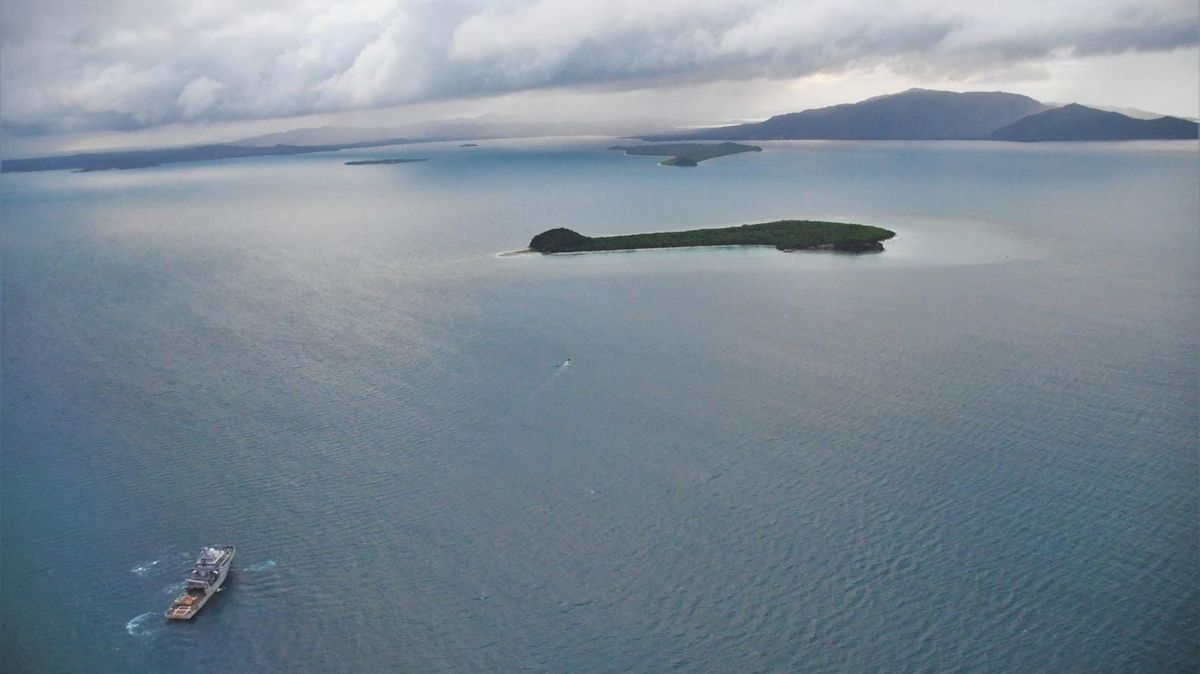
Australia has the Pacific security pact it wanted with Vanuatu. What it does not have is the veto it asked for.
When Anthony Albanese and his Vanuatu counterpart, Jotham Napat, signed the Nakamal Agreement in Canberra on Monday, both leaders turned to the language of partnership and triumph. The treaty bars foreign military bases from the archipelago and keeps Australia as Vanuatu's primary policing partner. Canberra has also committed to long-term development funding, a figure first set at A$500 million ($345 million) over a decade. Albanese was careful to stress that the agreement had been "initiated at Vanuatu's request".
The version Napat signed is a softened one. The draft that collapsed last September would have handed Australia a power of veto over Chinese involvement in Vanuatu's critical infrastructure, the ports and telecommunications networks that decide whether a foreign navy can refuel or a foreign intelligence service can listen. The signed text gives Canberra only the right to be consulted. That downgrade, from veto to consultation, is the truest measure of the deal, and it points to a shift that should worry Australian strategists more than the headlines suggest.
Recall how badly the first attempt went. Albanese was already preparing to fly to Port Vila for a signing ceremony last September when word came, hours before departure, that members of Napat's coalition had pulled their support. Their fear was specific and revealing: that tying Vanuatu so closely to Canberra would scare off infrastructure money from elsewhere, meaning from Beijing. China is Vanuatu's largest external creditor, having financed the contractors who built the country's presidential complex and much of its road network.
So Canberra spent nine months refurbishing the offer. The veto became a consultation requirement. The A$500 million, once promised over ten years, will now be spread over a longer and as-yet-unspecified period, with the final number held back until the year-end budget update. The promise of disaster relief through the France-Australia-New Zealand coalition was retained, but the hard requirement that would have locked China out of Vanuatu's strategic assets was reduced to a commitment to talk. In other words, Australia secured the symbolism it craved and conceded much of the substance it sought.
The clearest sign that Vanuatu is hedging rather than choosing sits in plain view. Even as Napat signed in Canberra, his government is finalising a parallel pact with China, the so-called Namele Agreement, which he describes as comprehensive development cooperation rather than a security arrangement. Its contents remain unpublished, awaiting what Napat called clearance from Beijing. He insisted there was "nothing to hide" and noted, pointedly, that Albanese had given him leave to share the Nakamal text with Chinese officials. The two agreements even rhyme by design, one named for Vanuatu's traditional meeting house, the other for a sacred plant, a piece of stagecraft that frames Canberra and Beijing as parallel partners rather than rivals competing for an exclusive embrace.
The policing arrangements carry the same ambiguity. Vanuatu has committed to prioritise law-enforcement cooperation with members of the Pacific Islands Forum, a grouping that includes Australia but not China. Yet the agreement does not bar Chinese police from the country, and the relationship there is already established. Beijing built policing ties with Port Vila in 2023, donating patrol boats and drones, and Chinese officers visit regularly even without a permanent base. Chinese warships have called at Vanuatu's ports, and Chinese money funded the expansion of a wharf at Luganville, the country's second city. A clause that channels policing requests towards the Forum does little to unwind a presence that is already on the ground.
None of this means Canberra has lost. Australia remains Vanuatu's preferred security partner and a development backer whose cheques do not arrive as loans. Those are real advantages in a relationship China cannot easily replicate, built on Melanesian and South Sea Islander ties that predate the present contest. The thesis that Australia holds the upper hand in the Pacific, narrowly, survives the Nakamal Agreement.
What the agreement revises is the price of holding it. A year ago the working assumption was that Canberra could lock in Pacific partners by outspending and out-organising Beijing. Vanuatu has shown that the partners themselves now set the terms, banking Australian security guarantees while keeping the Chinese door open, and extracting concessions when Canberra pushes for exclusivity. The leverage has migrated towards the small states in the middle.
The real test now is whether consultation amounts to anything. A new Nakamal Committee is meant to meet at least every six months to manage disagreements, and its first hard case will arrive the moment Chinese money lands on a port or a cable that Australia would rather it did not. But if Canberra can turn a right to be consulted into a right to be heeded, the agreement will have earned its billing.
Comments ()