Britain will invest approximately £26 billion over the next decade to modernise the Royal Navy’s three main bases, including £15.1 billion for HM Naval Base Clyde at Faslane, in what the Ministry of Defence calls the largest naval infrastructure programme since the end of the Cold War.
Defence Minister Luke Pollard confirmed the funding on Tuesday during a visit to HMNB Clyde. The government forecasts investment of £7.1 billion at Devonport in Plymouth and £3.9 billion at Portsmouth on the Solent. The money will fund new docking and engineering facilities, modernised waterfront infrastructure and new single living accommodation for personnel.
“This £26 billion investment is the largest in our naval bases since the Cold War, and Scotland is central to it,” Pollard said in the announcement.
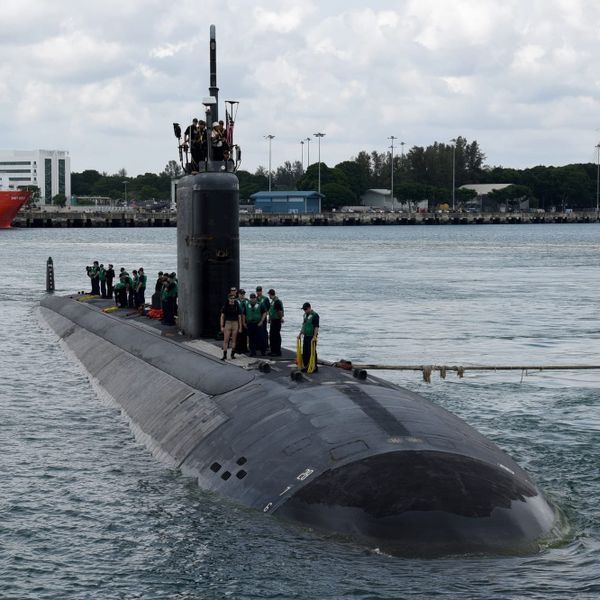
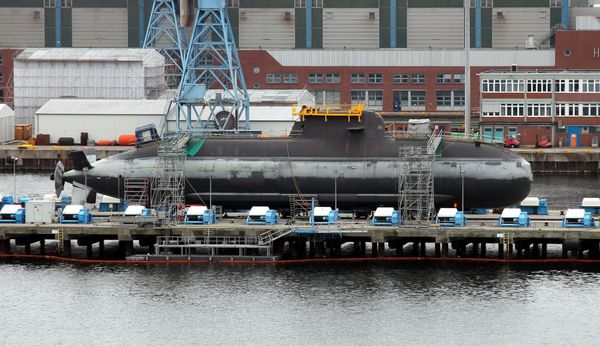
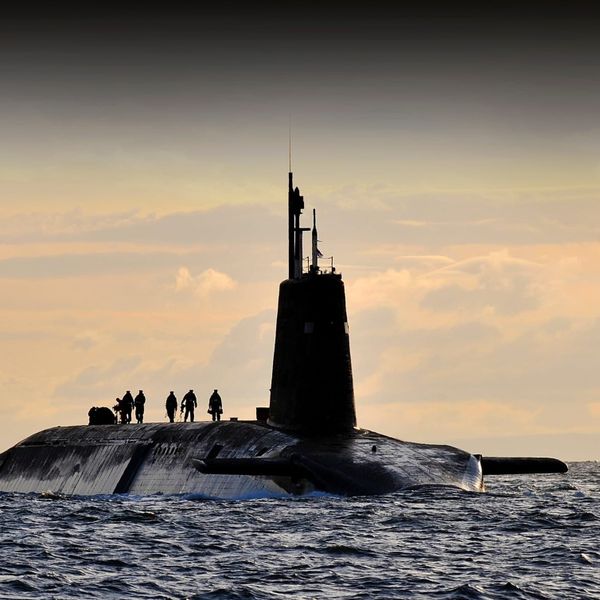
The programme, known collectively as Project Royal Oak, is intended to prepare the bases for the demands of a larger and more advanced fleet. At Faslane, the Royal Navy must support the transition from the Vanguard ballistic-missile submarines to the larger Dreadnought class from the early 2030s, while the Astute attack-submarine fleet will eventually be succeeded by SSN-AUKUS.
The Clyde Transformation Programme also includes Programme Euston, which will provide three new floating docks and shoreside infrastructure for submarine maintenance. A separate off-site engineering facility is planned to expand maintenance capacity.
Project Royal Oak was confirmed in the Defence Investment Plan published on 30 June. The plan sets out £298 billion in defence investment over the four financial years from 2026/27 to 2029/30, including an additional £15 billion in spending power.
The ten-year naval-base programme delivers on the Strategic Defence Review’s commitment to warfighting readiness, with the MOD saying the upgrades will improve the Royal Navy’s readiness, availability and effectiveness.
The MOD has also completed its purchase of the Finnart Oil Terminal in the west of Scotland, a multi-million-pound acquisition that expands the Royal Navy’s sovereign fuel-holding capacity and strengthens operational resilience. The terminal also provides the additional space needed to progress the Clyde Transformation Programme.
A further £20 million will go to Inchgreen Marine Park, home to one of the largest operational dry docks in the UK. The investment is expected to support the creation of 350 direct jobs and provide a new skills centre.
Scottish Secretary Douglas Alexander described Faslane as Scotland’s largest military establishment and its second-biggest employment site, with more than 6,500 military and civilian personnel. He said the £15.1 billion investment would transform it into a more efficient base, future-proofed for war-fighting.
Pollard separately confirmed more than £240 million in RAF sustainment contracts benefiting Scotland, expected to support more than 380 jobs. Boeing Defence UK received a £115.2 million two-year extension to sustain the nine P-8 Poseidon maritime patrol aircraft operated from RAF Lossiemouth in Moray, safeguarding more than 200 skilled jobs and over 20 apprenticeships.
A separate £127.5 million contract covers the E-7 Wedgetail fleet and will sustain approximately 180 jobs, with a further 60 to 80 roles projected and four apprenticeships to be created.
The concentration of spending in Scotland comes as the Scottish National Party maintains its opposition to the basing of the UK’s nuclear weapons on the Clyde.