
US Navy Tests UUVs and Harpoon Missile Strikes at RIMPAC 2026
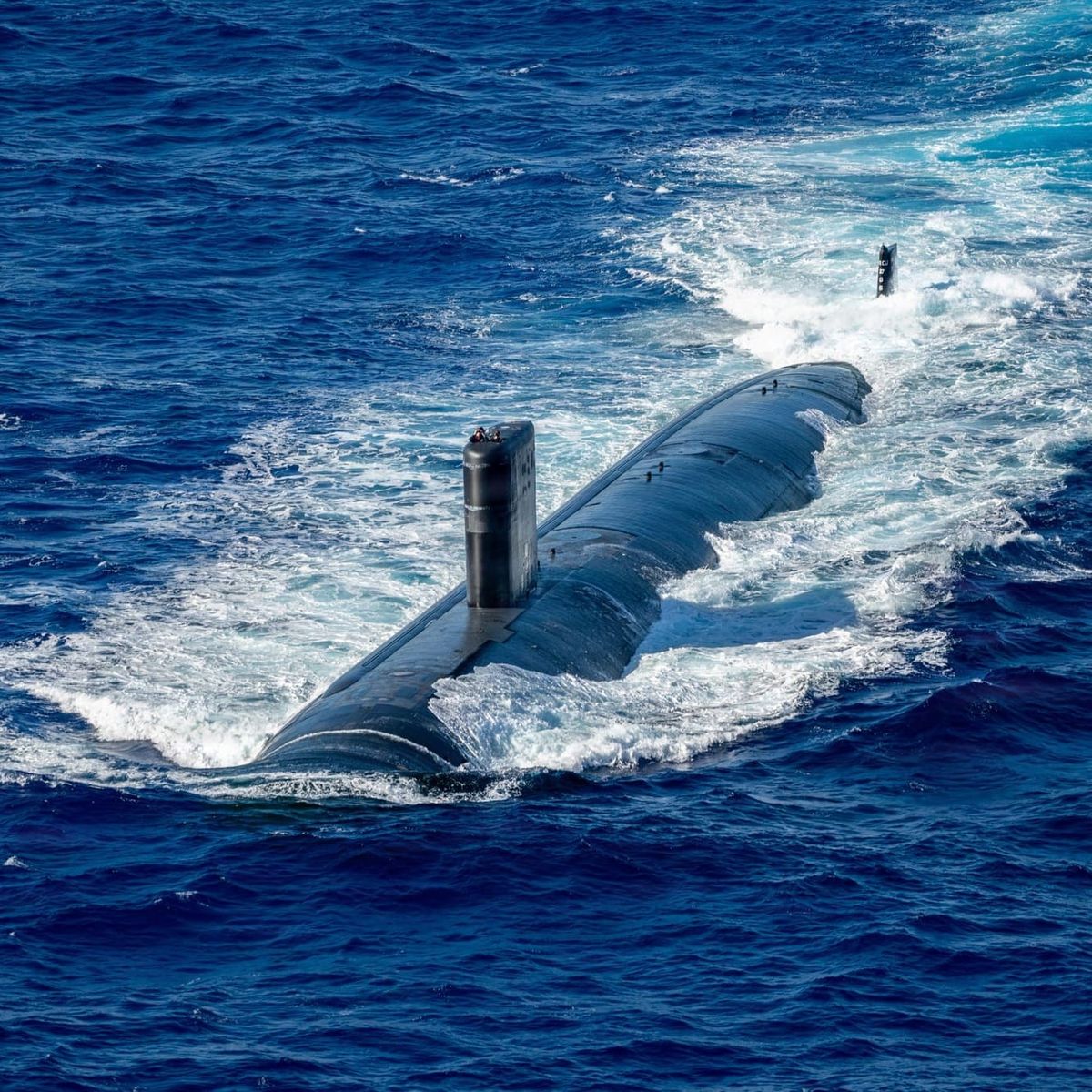
The US Navy is using RIMPAC 2026 to test how unmanned underwater drones can support submarine targeting and long-range anti-ship fires, a pairing it says is central to holding its edge under the Pacific as China’s own submarine fleet keeps growing.
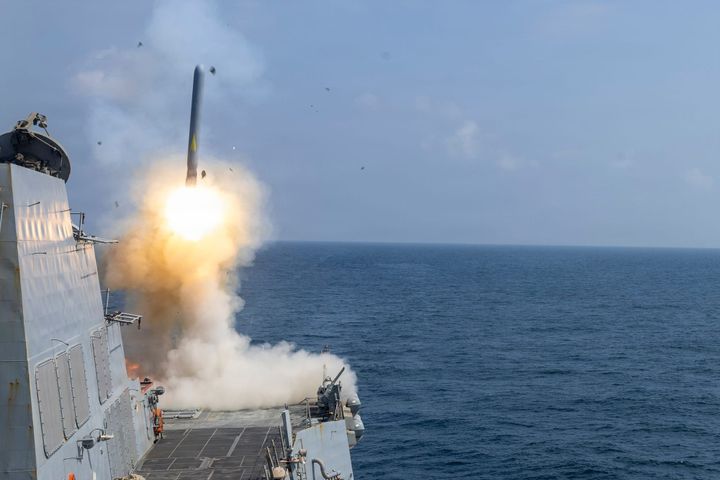
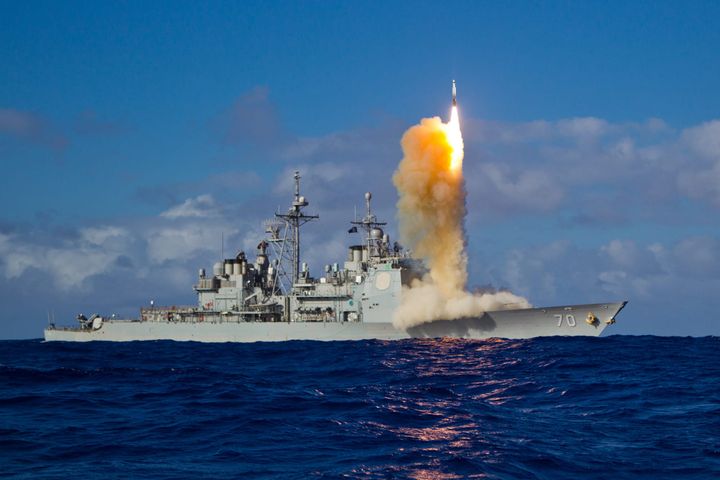
Commander, Submarine Force, US Pacific Fleet, known as COMSUBPAC, said this year’s exercise highlights two capabilities: unmanned undersea vehicles that simulate autonomous operations in contested waters and provide targeting data, and submarines scheduled to fire UGM-84 Harpoon anti-ship missiles from standoff range.
The release describes the two as part of the same effort to preserve the Navy’s advantage under water, without spelling out a direct line from a UUV sensor to a Harpoon launch.
“Successfully integrating emerging UUV systems with existing precision strike capabilities and strengthening tactical integration and communication with our undersea warfare counterparts preserves our combined decisive advantage in the undersea domain,” the release said.
The point is not just that the Navy is experimenting with drones. It is testing whether unmanned sensors can stretch the reach of a submarine force being asked to cover the Pacific while China adds boats faster than American yards can replace them.
Submarines taking part include USS Charlotte and USS Columbia, both Los Angeles-class boats attached to the US Pacific Fleet. Charlotte’s inclusion carries weight beyond the exercise.
On 4 March, the submarine torpedoed the Iranian frigate IRIS Dena in the Indian Ocean, the first submarine kill of an enemy vessel by the US Navy since 1945.
Three Royal Australian Navy personnel training aboard under the AUKUS partnership were on board when it fired. The Navy’s RIMPAC release makes no mention of that engagement, but Charlotte’s presence means the drills now feature a submarine that has already conducted a combat strike at sea, not merely trained for one.
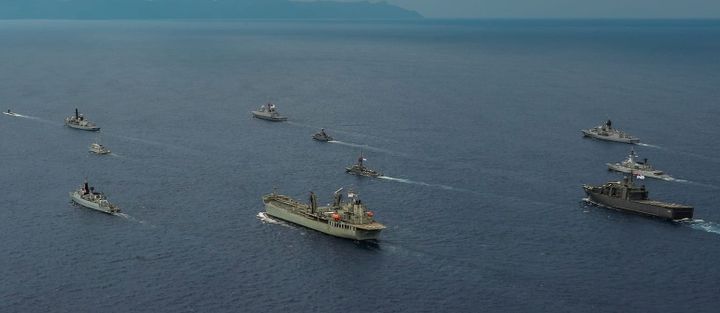
RIMPAC, now in its thirtieth iteration since 1971, is the world’s largest international maritime exercise. This year’s edition runs from 24 June to 31 July around the Hawaiian Islands and brings together more than thirty nations, over thirty surface ships, five submarines, more than 200 aircraft and around 30,000 personnel.
The demonstration follows other recent Pacific live-fire events, including a Valiant Shield 2026 sinking drill in which the decommissioned USS Juneau was destroyed off the Mariana Islands by combined air, surface and submarine strikes. RIMPAC 2026 is also expected to include a separate test of an uncrewed surface vessel firing a missile at a high-speed, manoeuvring target.
The exercise comes as the US Navy’s advantage under the water faces real pressure. Rear Admiral Mike Brookes of the Office of Naval Intelligence has told Congress that China’s submarine force numbers more than 60 boats and could reach roughly 70 by 2027, a total submarine force already larger than the US Navy’s nuclear attack-submarine inventory, though much of China’s fleet remains conventionally powered.
China is adding new nuclear-powered attack submarines at close to three a year, while US shipyards are building Virginia-class boats more slowly than the Navy’s own targets and slower than older Los Angeles-class submarines, Charlotte’s class, are being retired.
The Navy’s answer, laid out plainly in the RIMPAC release, is that unmanned vehicles can stretch what a single manned submarine can see, track and threaten. Whether that is enough to offset a China building submarines faster than the US can replace its older boats is the harder question behind this year’s undersea drills.
Comments ()