
UK Adds £15 Billion to Defence Budget, Still Lags NATO Allies
The UK pledged an additional £15 billion for its armed forces and lifted planned defence spending to almost £300 billion over four years, in a package delivered by Prime Minister Keir Starmer that fell short of the increase military chiefs had demanded and left Britain trailing its main NATO allies.
The Defence Investment Plan, published on Tuesday after a delay of more than a year, will raise annual defence spending from £54 billion to almost £80 billion by 2029, taking it to 2.7% of economic output. While that is the highest share in three decades, it leaves Britain behind key European allies, including Germany and Sweden, which have committed to reach 3.7% and 3.5% respectively by 2030.
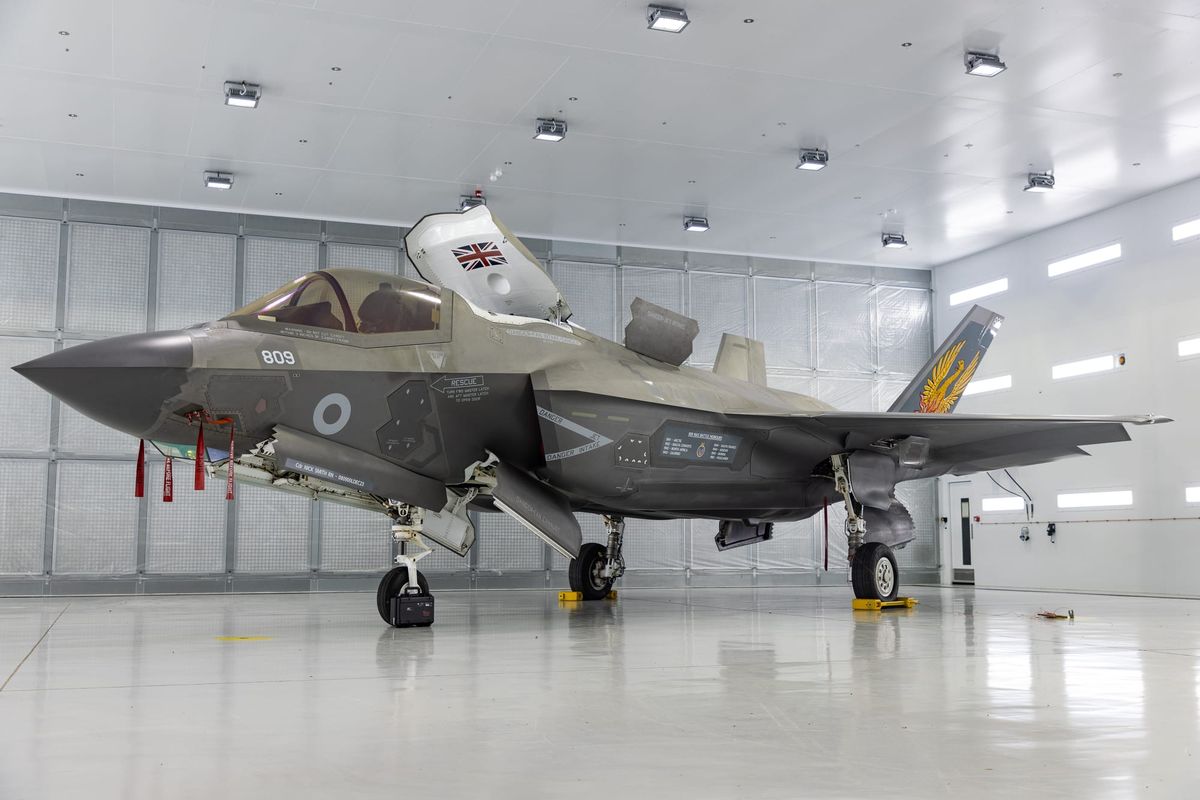
The plan earmarks more than £5 billion for a drone transformation drawn from the lessons of Ukraine, where cheap uncrewed systems have reshaped the battlefield. A further £63 billion over four years will strengthen the nuclear deterrent, funding new Dreadnought and SSN-AUKUS submarines. Britain will also buy 12 F-35A jets and join NATO's nuclear mission.
More than £8 billion will go to the Global Combat Air Programme, the sixth-generation stealth fighter being developed with Japan and Italy, while £11 billion is allocated to munitions and long-range weapons. The package also commits £26 billion over the next decade to the biggest upgrade of Britain's naval bases in 45 years, alongside £790 million to bolster the homeland against drone and missile threats.
The government said the spending would support nearly 60,000 extra jobs by the end of the decade and underpin more than half a million defence-related roles.
"This record investment puts the security of the British public first," Starmer said, adding that it would give the armed forces "the funding and equipment they need to fight and defend our nation."
The plan has carried a heavy political cost. Its repeated delay, caused by a funding dispute with the Treasury, triggered the resignation last month of defence secretary John Healey, who said the sums on offer fell well short of what the country needed in a dangerous era. Starmer is due to leave office on 20 July, when Andy Burnham is expected to succeed him. Allies of Burnham have signalled he will keep the settlement to reassure the defence industry.
Senior commanders and former officers argued the plan does not go far enough. Service chiefs had pressed for an extra £28 billion to lift spending to 3% of GDP, and one former army head warned that Britain was now only halfway down NATO's spending table, neither keeping pace with allies nor with adversaries. The package also drew scrutiny in Washington, where the White House restated President Donald Trump's expectation that NATO members honour a 5% target.
To fund the uplift without breaching its fiscal rules, the government said it would reallocate capital budgets and shelve some road and energy projects deemed important but not immediately vital. Starmer rejected calls to borrow more through so-called defence bonds, arguing that this would push up interest rates at a time when £1 in every £10 of public spending already services debt.
Alongside the equipment programme, Starmer announced a £50 billion export facility through UK Export Finance to help British defence firms win contracts abroad, part of a "back British" drive intended to channel spending towards domestic industry. He also framed the plan as a step towards a more European NATO, with the continent taking greater responsibility for its own security while preserving the transatlantic alliance.
The investment reflects a wider rearmament across Europe as governments respond to Russia's war in Ukraine and pressure from Washington to spend more. Starmer, who last year committed Britain to spending 5% of GDP on wider security by the mid-2030s, has declined to set a timetable for reaching that goal, leaving the question to his successor.
Comments ()