
Rolls-Royce Breaks Ground on Derby Reactor Site to Power AUKUS Submarines
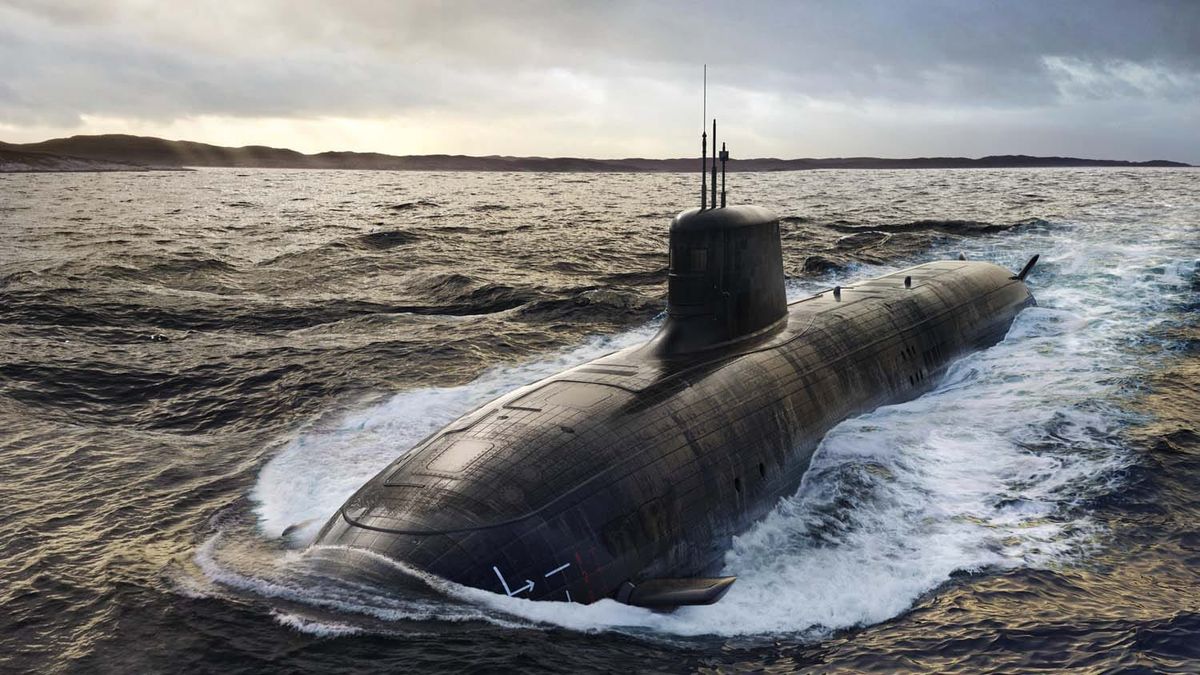
Rolls-Royce Submarines broke ground on Friday on a new manufacturing facility in Derby that will more than double the size of its reactor site, expanding capacity to build nuclear propulsion units for the Royal Navy and Australia's future attack submarines under the AUKUS pact.
The work at the Raynesway site will add more than 100,000 square metres of manufacturing and office space and create 1,170 skilled jobs, the company said. It forms part of a plan first announced in June 2023 to double the facility, where Rolls-Royce designs and builds the reactors that power every Royal Navy submarine.
Australia has committed £2.4 billion (A$4.6 billion) over ten years towards expanding Rolls-Royce Submarines, money that flows directly into the British industrial base to help build the reactors that will drive Australian boats. The payment is separate from a further £6 billion the UK government announced in June 2025 to expand submarine production capacity at Raynesway and the Barrow-in-Furness shipyard, a commitment that runs to 2030.
Defence Minister Lord Coaker joined Rolls-Royce Submarines President Abi Clayton and Commodore Alistair Moody, the Submarine Delivery Group's director for nuclear propulsion, to turn the first ground at the site.
"Breaking ground is a significant step forward in the critical growth of our business," Clayton said. "This work will unlock much-needed manufacturing capacity on site, allowing us to enhance our delivery drumbeat to support the boat build programmes."
Under AUKUS, Britain will manufacture complete, welded nuclear propulsion units at Derby for boats assembled in South Australia. Canberra plans to build up to eight SSN-AUKUS submarines through a joint venture between the government-owned shipbuilder ASC and BAE Systems, with delivery expected from the early 2040s. Australia will first acquire at least three US Virginia-class submarines from the 2030s to bridge the gap.
The reactor line has been a recurring source of concern. Australian and British officials have acknowledged the strain on both nations' industrial bases, and doubts have been raised over whether cores can be produced quickly enough to meet the combined build schedule. The partnership aims to move towards delivering a submarine roughly every 18 months, a marked improvement on the pace of Astute-class construction.
The expansion follows the UK Defence Investment Plan, published on 30 June, which confirmed the intention to build up to 12 SSN-AUKUS attack submarines and set out £47 billion of spending on the Defence Nuclear Enterprise between 2026 and 2030. The plan stated that steel would be cut on the first British boat next year at Barrow-in-Furness, before the final Astute-class submarine is completed.
Reactor production ranks among the longest-lead elements of the submarine programme, and progress at Derby has drawn close attention across the three governments. In February, Australia paid A$310 million for the first reactor components destined for its boats, part of a push to secure schedule certainty on long-lead items.
Australia is also spending at home. Canberra committed A$3.9 billion as a down payment on a new submarine construction yard at Osborne in Adelaide, which will assemble the boats from the end of this decade.
The SSN-AUKUS boats are to be powered by the PWR3+ reactor, an enhanced variant of the PWR3 used in Britain's four Dreadnought-class ballistic missile submarines. Rolls-Royce says the design offers greater operational flexibility and safety, including the ability to run on a submarine's own power while docked. Each vessel is expected to displace more than 10,000 tonnes and carry land-attack cruise missiles alongside torpedoes.
Rolls-Royce Submarines employs more than 5,500 people and supports the Astute and Dreadnought build programmes through the delivery of reactor plant and associated components. The Derby business also provides in-service support to the pressurised water reactors that power every boat in the Royal Navy fleet.
On site, Lord Coaker met nuclear welding apprentices who recently took the top four places in the East Midlands heats of the SkillWeld 26 competition, the first time a single company had claimed the leading positions. The government has framed the wider submarine effort as a national endeavour that will sustain tens of thousands of jobs across the country.
Comments ()