
Lockheed Tests Guam Missile-Defence Battle Manager at Valiant Shield
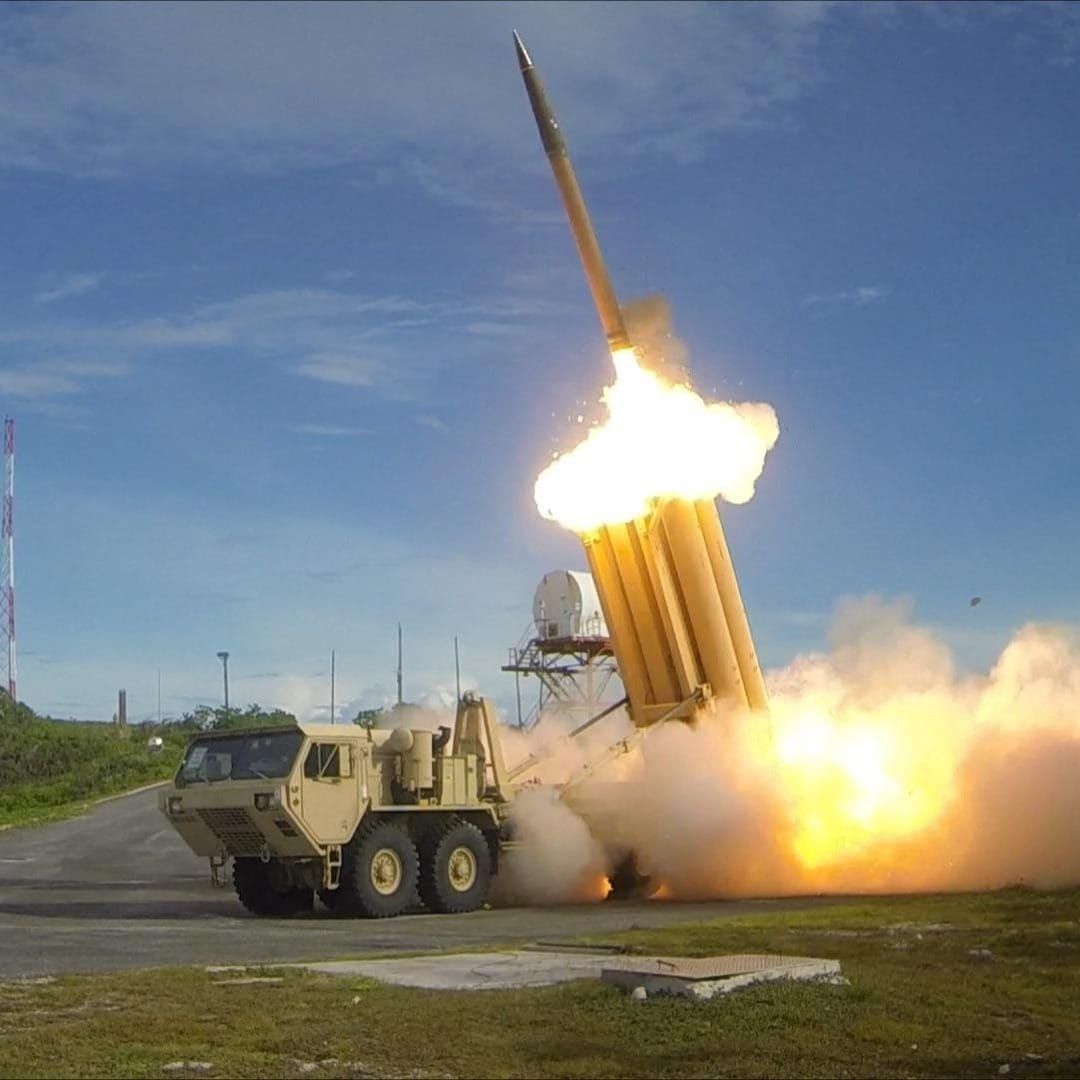
Lockheed Martin tested a new command-and-control system for Guam’s missile defence during Valiant Shield 2026, demonstrating software designed to link sensors, interceptors and battle-management systems across one of the most important US military hubs in the Western Pacific.
The company said the demonstration connected live and simulated data from several air and missile-defence systems taking part in the exercise, including Command, Control, Battle Management and Communications, known as C2BMC, the Aegis Guam System, Terminal High Altitude Area Defence, the Integrated Battle Command System and the Air Base Air Defence System Missile Defence programme.
The test focused on one of the central challenges in defending Guam: not simply detecting incoming threats, but deciding which system should engage them, in what order, and without wasting scarce interceptors. Guam sits at the centre of US military operations in the Western Pacific and would be a prime target in any major conflict with China.
Lockheed said its battle-management application, powered by its CommandIQ platform, gave operators a common tactical picture and produced prioritised engagement recommendations for ballistic, hypersonic and air-breathing threats. The system displayed planned engagements across participating missile-defence systems, used artificial intelligence to assess options and then, after operator review, digitally directed the appropriate weapon system while co-ordinating with others.
That distinction is important. The company did not describe an autonomous firing system. Rather, the demonstration showed software designed to help commanders make faster decisions across a layered defence network, with a human operator still reviewing the recommendation before the weapon system was tasked.
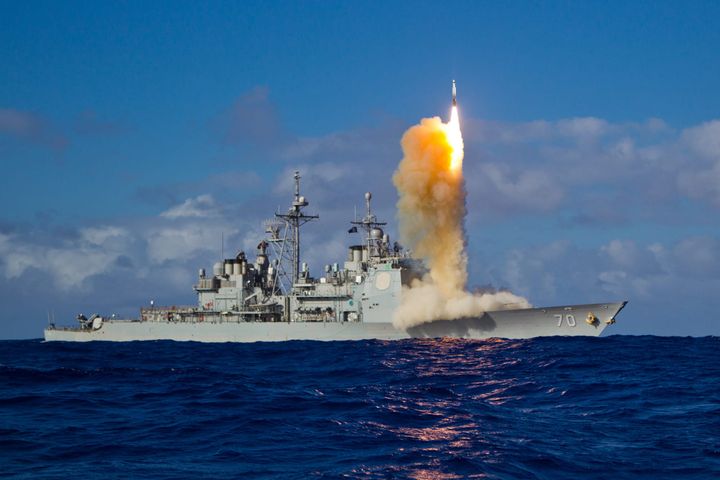
The Valiant Shield test also paired Lockheed’s AN/TPY-6 radar with the Aegis Guam system and a vertical launching system for simulated Guam-defence engagements. The company said the radar, integrated with the Aegis Weapon System, demonstrated the ability to detect, track and support engagements against advanced hypersonic threats by rapidly categorising air and missile track data.
The exercise marks another step in the development of the Guam Defence System, a layered architecture intended to protect the island against ballistic missiles, cruise missiles, hypersonic weapons and air threats. The system is being built around sensors, launchers and battle-management tools that can operate together rather than as separate defensive bubbles.
Lockheed also used Valiant Shield to demonstrate long-range targeting support built around commercial sensor data. Working with HawkEye 360, the company said it integrated commercial data and processing into operational workflows, generating unclassified tracks from commercial sensors and distributing them across the joint force.
That element points to a second problem facing US forces in the Indo-Pacific: maintaining custody of targets across long distances and contested environments. Commercial signals-intelligence data, edge processing and unclassified track sharing are increasingly seen as ways to improve awareness without relying solely on classified military sensors.
Valiant Shield, a major US-led exercise in the Indo-Pacific, has become a testing ground for the kinds of systems Washington says it needs for a potential high-end conflict in the region. This year’s demonstrations suggest the US military and its contractors are increasingly focused on the connective tissue between weapons, sensors and commanders.
For Guam, that may matter as much as the interceptors themselves. The island already hosts critical US air, naval and logistics infrastructure. As China’s missile forces grow in range, scale and sophistication, the defence of Guam depends on whether multiple systems can act as one network under pressure.
Lockheed’s demonstration was a company-led test, not a declaration that the Guam system is complete. But it showed where the programme is heading: towards a defence architecture in which radars, command systems, interceptors and commercial sensors are tied together by software built to shorten the time between detection, decision and engagement.
Comments ()