
Why Japan is Building a Missile Wall Across the Nansei Islands
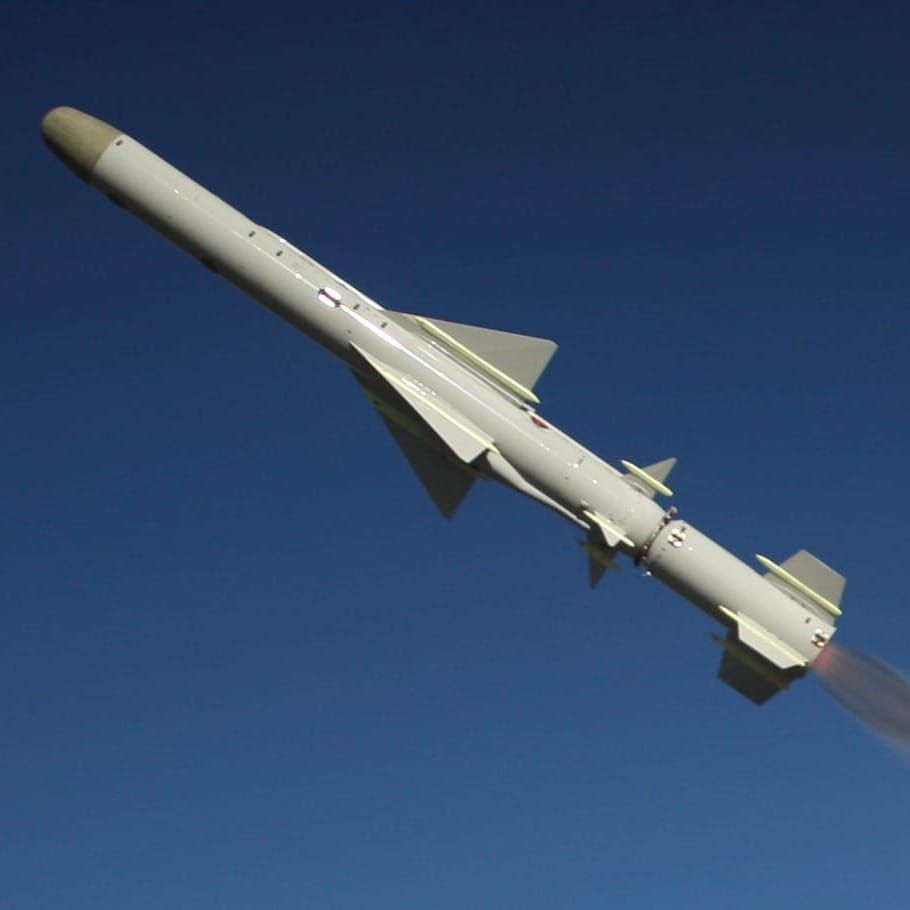
Japan is turning its south-western islands into a missile screen across the routes China’s navy uses to reach the open Pacific.
The Nansei chain runs for more than 1,000 kilometres from Kyushu towards Taiwan. It is broken by several navigable gaps, including the Osumi and Miyako straits and the waters around Yonaguni.
The Miyako Strait has become the main route used by Chinese aircraft carriers entering the Pacific, although naval activity is spreading across the entire island arc.
That geography makes the islands geo-strategically vital. East of Taiwan, Chinese submarines gain access to deep water, while surface forces can operate behind the island and threaten allied ships approaching from the Pacific.
For Japan, the same waters carry the food, fuel and raw materials on which its economy depends.
Tokyo cannot match China’s naval expansion ship for ship. Its answer is a strategy of denial: use sensors, missiles and mobile forces to make movement through the island chain dangerous enough to deter an attack.
Over the past decade, Japan has placed Type-12 anti-ship missile batteries on Amami Oshima and Miyako, opened a missile garrison on Ishigaki and established an electronic-warfare unit on Yonaguni.
Its Amphibious Rapid Deployment Brigade has expanded to three regiments. The creation of a Joint Operations Command in March 2025 is intended to help the army, navy and air force operate this network as a single system.
The concept is straightforward. Surveillance assets locate hostile ships, electronic warfare disrupts them, anti-ship missiles place them at risk and air defences protect the launchers.
Japan tested part of that system in May 2026, moving around 300 personnel to Ishigaki, Miyako and Yonaguni through civilian ports. An anti-ship launcher deployed to Ishigaki, surveillance teams operated from Yonaguni and a joint coordination cell worked with US Marines on Miyako.
Days earlier, ten Russian warships had passed legally through the gap between Yonaguni and Iriomote, underlining how exposed these waterways remain.
Chinese activity is adding to the pressure. Japan now records dozens of naval passages each year across a widening range of routes. In May and June 2025, the Liaoning and Shandong operated simultaneously in the Pacific for the first time, conducting more than 1,000 carrier-aircraft take-offs and landings.
The Shandong was tracked east of Iwo To, further into the Pacific than a Chinese carrier had previously been confirmed operating. China commissioned its third carrier, the Fujian, that November.
The island screen also has a weakness. Japan’s defence ministry acknowledges that it lacks continuous radar coverage over the open Pacific.
Mobile radars and long-endurance drones are planned to narrow that blind spot, but Chinese forces can already operate beyond the missile chain in waters Japan cannot monitor continuously.
The final layer reaches much further. In March 2026, Japan deployed the Type-25 surface-to-ship missile at Camp Kengun in Kumamoto. Developed from the Type-12 programme, it has a reported range of roughly 1,000 kilometres, compared with about 200 kilometres for the original weapon.
It gives postwar Japan its first domestically produced land-based system capable of striking targets on an adversary’s territory.
This changes the logic of the island defences. Japan can now threaten both ships crossing the straits and bases along the Chinese coast. Beijing calls the network offensive. Tokyo argues that the ability to strike back strengthens deterrence.
That deterrence remains a wager. Japan has made the Nansei chain much harder to cross, yet China’s navy is growing, operating further from home and testing a frontier that Japan still cannot fully see.

Comments ()