
Poland chosen to host European PAC-3 Patriot missile maintenance hub
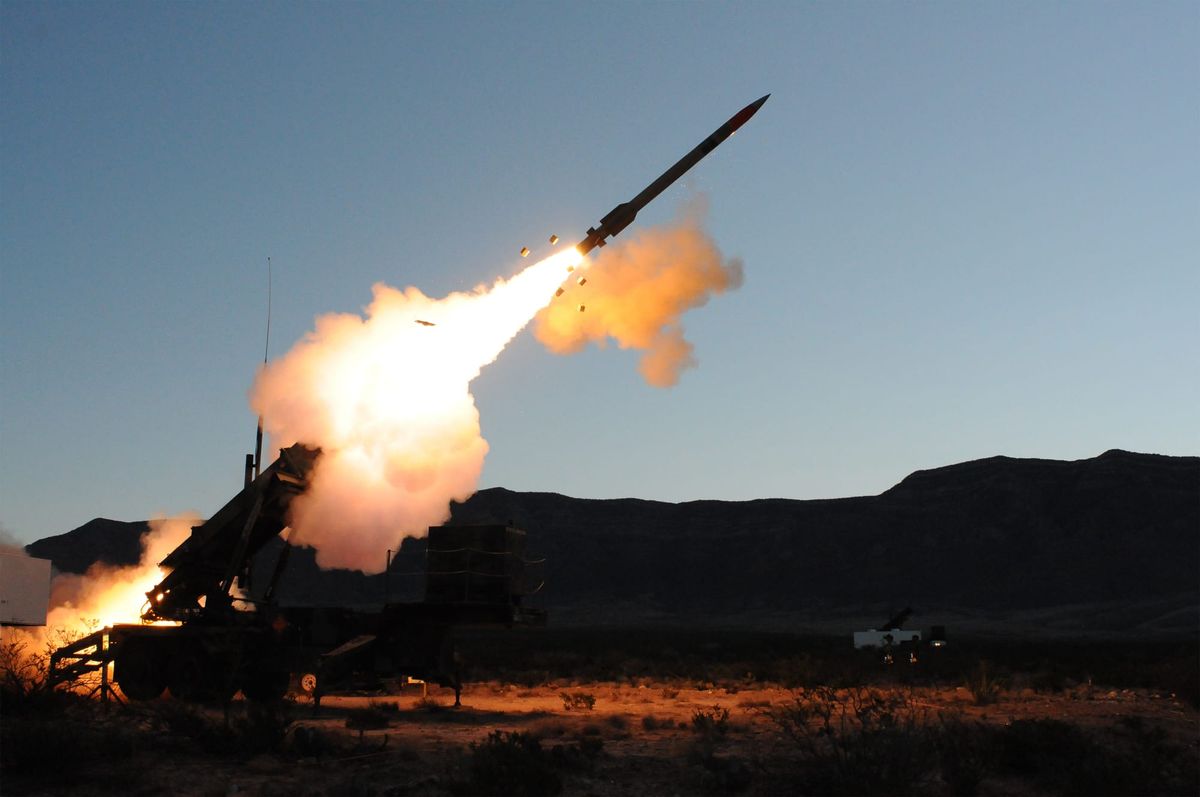
Poland has been selected to host a European maintenance facility for Patriot PAC-3 missile interceptors, bringing a critical support capability closer to NATO's eastern flank.
The decision was announced on 27 October by the United States in cooperation with Lockheed Martin and European allies.
The planned facility will undertake repairs, refurbishment, lifecycle maintenance and recertification of PAC-3 interceptors used by participating allied forces.
Germany, the Netherlands and Sweden will play supporting roles in its supply chain.
The decision adds another element to Poland's expanding position within NATO's air and missile defence infrastructure.
Reducing dependence on US maintenance
PAC-3 interceptors are designed to defeat incoming airborne threats, including ballistic missiles, as part of Patriot air defence systems.
Maintaining and recertifying these weapons is essential to keeping interceptor stocks available for operations.
Poland's Deputy Defence Minister Magdalena Sobkowiak-Czarnecka said missiles requiring certification currently have to be sent to the United States.
According to her account, shipping the equipment, completing the work and returning it can take more than a year.
A European maintenance centre is intended to shorten that process substantially.
Lockheed Martin said the Polish site would support onsite repair, refurbishment, recertification and testing, allowing faster turnaround and improving the resilience of allied supply chains.
However, neither Poland nor the company has announced a precise location, construction cost, opening date or annual maintenance capacity.
Claims about future reductions in turnaround time therefore remain expectations rather than demonstrated results.
Poland wins competition to host the facility
Poland's defence ministry said four countries had competed to host the centre: Poland, Germany, the Netherlands and Norway.
Warsaw was selected following negotiations with the United States.
Although Poland will host the facility, it will form part of a broader European industrial arrangement.
Lockheed Martin identified Germany, the Netherlands and Sweden as participants in supply chain integration alongside Poland and the United States.
The different lists reflect the distinction between countries competing to host the facility and those participating in its industrial arrangements.
Poland expects the investment to create skilled employment and opportunities for local defence manufacturers.
The facility will build on existing Polish military-industrial infrastructure rather than establish the country's first involvement in Patriot-related support.
A wider European air defence effort
The choice of Poland comes amid efforts by NATO members to strengthen integrated air and missile defence capabilities.
Russia's war against Ukraine has demonstrated the importance of interceptor availability, maintenance capacity and reliable supply chains during prolonged military operations.
Production of new interceptors remains essential, but maintaining existing stocks is also a requirement for sustaining air defence over time.
Lockheed Martin said demand for its PAC-3 Missile Segment Enhancement variant continues to grow.
The company separately reported significant US government awards for interceptor production during 2026. Those contracts should not be confused with the funding for the Polish maintenance facility, whose cost has not been disclosed.
Related UK–Poland cooperation
The announcement coincided with a new Warsaw Defence Plan between Britain and Poland.
That agreement includes closer cooperation on future air defence missiles, counter-drone technology, cyber security and military-industrial production.
The two announcements were separate decisions. The UK–Poland plan does not establish British participation in the PAC-3 maintenance centre.
Taken together, they demonstrate Poland's growing role in European air defence cooperation and related industrial activity.
The practical importance of the PAC-3 facility will become clearer once its location, construction timetable, participating suppliers and maintenance capacity are confirmed.
For NATO, the value lies in reducing the time needed to return expensive interceptors to service and sustaining air defence operations closer to the forces that use them.


Comments ()