
US Air Force awards Lockheed $694m to produce ARRW hypersonic missile
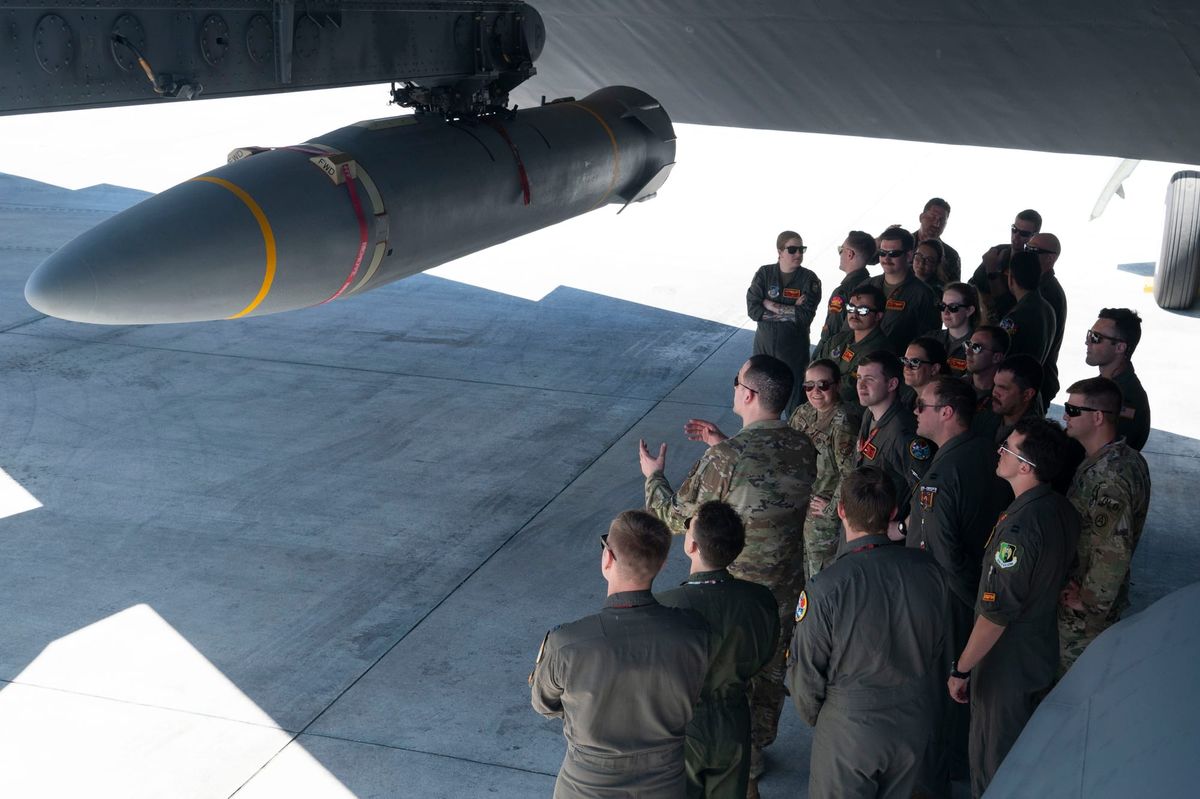
The US Air Force has awarded Lockheed Martin a US$694 million contract to produce and field the AGM-183A Air-Launched Rapid Response Weapon, advancing a hypersonic missile programme previously threatened with cancellation.
The contract was awarded on 29 September and announced on 26 October, marking the formal transition of the system from prototyping and flight testing into production.
Air Force Secretary Troy Meink described the award as an important step towards fielding a high-speed strike weapon able to operate against heavily defended targets.
The service has not disclosed how many missiles it is buying or when operational deliveries will begin, citing security considerations.
How the ARRW missile works
ARRW is an air-launched boost-glide weapon intended for long-range strikes against time-sensitive and heavily defended targets.
A solid-fuel rocket booster accelerates the weapon beyond Mach 5 before separating from a hypersonic glide vehicle, which continues towards its target.
The system is intended to reduce an opponent's reaction time and complicate interception through high-speed flight and manoeuvring.
The B-52H Stratofortress has been the principal aircraft associated with ARRW testing.
The Air Force has not announced the complete operational deployment plan or confirmed a date when the weapon will enter frontline service.
Return from programme uncertainty
The contract represents a significant change in the programme's prospects.
ARRW suffered repeated test failures during its development, although later flight trials demonstrated improvements.
In 2023, senior Air Force officials indicated a preference for the separate Hypersonic Attack Cruise Missile programme, raising questions about ARRW's future.
The Air Force conducted another ARRW test in March 2024 but did not publicly disclose detailed results.
Despite those uncertainties, the service subsequently restored plans to procure the weapon.
The new production contract establishes a clearer commitment to manufacturing, although it does not demonstrate that the missile has completed operational testing or been deployed.
Expanding US hypersonic strike options
ARRW is part of a wider US effort to field weapons capable of striking defended targets at very high speed.
It differs from the Hypersonic Attack Cruise Missile, which uses an air-breathing propulsion concept rather than a rocket-boosted glide vehicle.
The two programmes could eventually provide different options for long-range air operations.
The production award also strengthens Lockheed Martin's position in the US hypersonic weapons sector.
Nevertheless, the contract's operational significance will depend on the number of missiles procured, production rates, test performance and integration with Air Force aircraft.
Those details remain either undisclosed or subject to further development.
For now, the award confirms that ARRW has progressed beyond an uncertain experimental programme into funded production, while questions about its operational availability remain open.

Comments ()