
Saab backlog reaches record SEK364bn on Gripen and naval orders
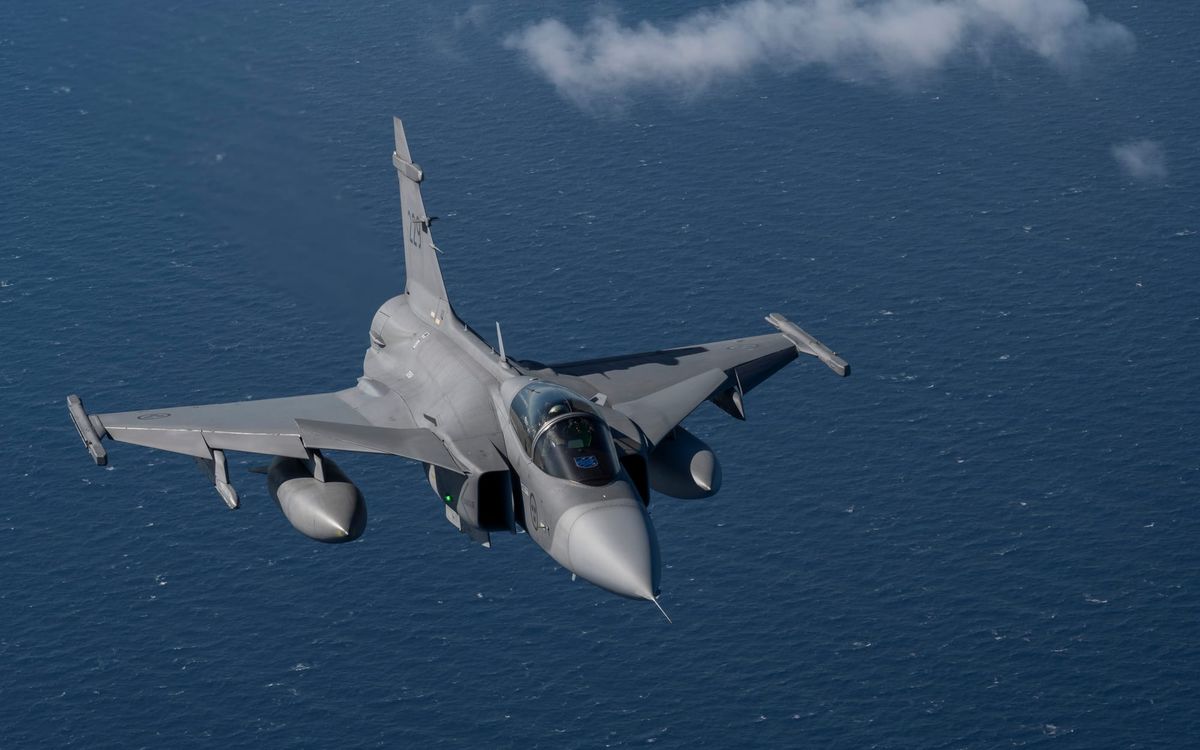
Swedish defence group Saab reported a record SEK364.2 billion order backlog at the end of September, reflecting rising demand for fighter aircraft, surveillance systems and naval equipment across Europe and international markets.
Order bookings more than tripled to SEK65.8 billion in the third quarter of 2026, compared with SEK20.9 billion a year earlier, giving Saab a book-to-bill ratio of 3.2.
The results, released on 23 October, included a SEK24.6 billion Gripen E fighter contract linked to Ukraine, a SEK10.1 billion GlobalEye surveillance aircraft order and SEK8.7 billion in equipment for German frigates.
Quarterly sales increased to SEK20.6 billion, representing organic growth of 30.6 per cent. Operating income rose 42 per cent to SEK1.9 billion.
Operational cash flow reached SEK6.8 billion, compared with SEK142 million in the same quarter last year. Net liquidity increased to SEK8.7 billion.
Chief executive Micael Johansson said growing demand was supporting major contract awards and investment in additional production capacity.
Ukraine Gripen deal drives fighter orders
The largest third-quarter booking was a SEK24.6 billion contract signed on 30 June with Sweden's Defence Materiel Administration (FMV) for 16 Gripen E fighters intended for Ukraine.
Saab's deliveries to FMV are scheduled for 2029–2030, making the programme a long-term contribution to Ukrainian air capabilities rather than an immediate transfer of combat aircraft.
The company's Aeronautics division also recorded maiden flights of a Gripen E manufactured in Brazil and a two-seat Gripen F during the quarter.
Demand for airborne surveillance equipment contributed to the order increase.
On 27 July, Saab received a SEK10.1 billion contract for two GlobalEye airborne early warning and control aircraft from an undisclosed customer, with deliveries planned for 2030.
NATO has also announced plans to negotiate the acquisition of up to ten GlobalEye systems. Saab said no contract had yet been signed for that potential order.
Polish submarines strengthen naval business
Naval programmes were another major contributor to Saab's expanding order book.
The company's Naval division reported an order backlog of SEK78.3 billion at the end of September, compared with SEK38.7 billion at the end of 2025.
A substantial part of the increase came from a SEK47 billion contract signed in June for three A26-type submarines for Poland.
The contract was booked in the second quarter, but the programme contributed to third-quarter sales and cash flow as work began and Saab received customer advances.
The submarines are scheduled for delivery over several years, with the final deliveries expected during 2038.
Saab also secured a SEK8.7 billion order in July from German shipbuilder TKMS to equip four MEKO A-200 DEU frigates with combat systems, sensors and composite structures.
Deliveries under the German contract are scheduled between 2029 and 2032.
European demand dominates order growth
Saab's latest results underline the scale of the European defence procurement expansion.
Orders from markets outside Sweden accounted for 79 per cent of the company's backlog, compared with 73 per cent a year earlier.
Rest of Europe generated SEK98.3 billion in order bookings during the first nine months of 2026, significantly exceeding other international regions.
By comparison, Saab recorded SEK2.6 billion in bookings from its Australia and related markets category during the same period, slightly below the previous year.
The figures indicate that the latest acceleration is being driven principally by European and other international programmes rather than new major Australian contracts.
Saab's backlog has increased by almost SEK90 billion since the beginning of 2026, giving the company substantial visibility over future production.
The challenge now is converting those orders into deliveries while expanding manufacturing capacity, controlling programme costs and maintaining performance across increasingly complex contracts.

Comments ()