
RAF Typhoons escort French nuclear strike aircraft in first joint exercise
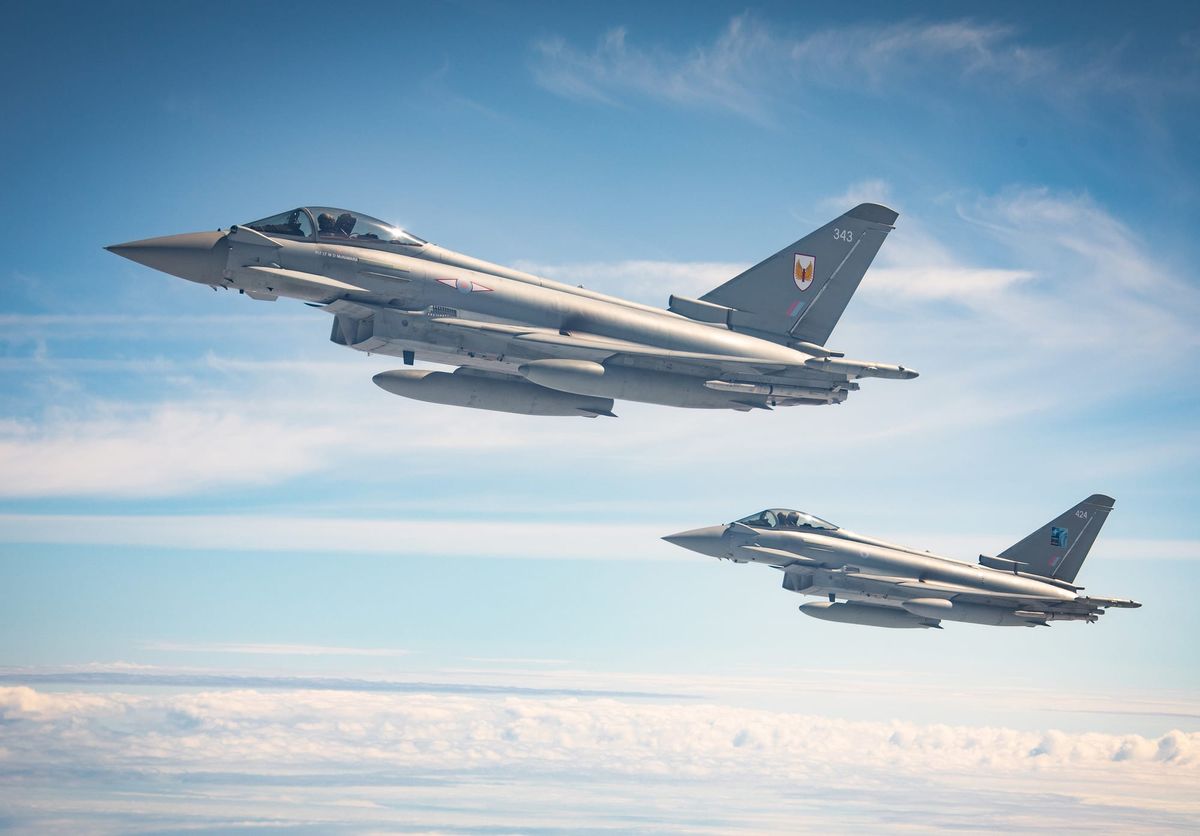
Royal Air Force Typhoon fighters have participated in a French nuclear air exercise for the first time, escorting Rafale aircraft during a simulated nuclear strike mission over the Mediterranean.
Exercise Rummy took place on 20–21 October, with the aircraft operating from Saint-Dizier Air Base in France. The British Ministry of Defence announced the exercise on 23 October and confirmed that no nuclear weapons were involved.
The operation represents a significant step in cooperation between Europe's two nuclear-armed NATO allies, which have sought closer coordination while retaining independent control over their nuclear forces.
UK fighters escort French nuclear strike aircraft
French Rafales simulated a nuclear strike mission with British Typhoons providing an escort.
The exercise tested the ability of the two air forces to coordinate during a mission involving France's nuclear deterrent, without placing British aircraft under French nuclear command or transferring control of nuclear weapons.
Defence Secretary Wes Streeting described the exercise as a new stage in bilateral nuclear cooperation.
His French counterpart, Catherine Vautrin, said independent nuclear forces were compatible with closer operational coordination.
The distinction is important. Britain and France retain separate nuclear arsenals, national command structures and sovereign decisions on the use of nuclear weapons.
RAF Typhoon participation therefore demonstrates cooperation in supporting air operations associated with nuclear deterrence, rather than the creation of a shared nuclear strike force.
Northwood Declaration takes operational form
The exercise follows the Northwood Declaration signed in July 2025, which established a framework for closer UK-French nuclear coordination.
The declaration recognises that the two countries' deterrents remain independent, while allowing them to cooperate more closely when facing threats to European security.
Rummy provides a practical example of that approach.
The exercise also builds on the refreshed Lancaster House defence arrangements, which aim to deepen cooperation across military planning, technology development and joint operations.
For France, the involvement of British fighters demonstrates the ability to coordinate with an allied air force during a demanding mission profile.
For Britain, participation strengthens familiarity with French nuclear air operations while maintaining the distinction between its own deterrent and that of France.
Wider implications for NATO
The exercise comes as Britain prepares to acquire 12 F-35A fighters for participation in NATO's nuclear mission.
The Ministry of Defence presented that acquisition alongside its wider nuclear investment programme, which includes Dreadnought ballistic missile submarines and development of a replacement warhead.
The F-35A plan and Exercise Rummy are separate developments. The exercise does not establish that RAF Typhoons will acquire a nuclear strike role.
Nevertheless, both reflect a wider effort to strengthen European contributions to NATO's deterrence arrangements.
Further exercises will indicate whether UK participation in French nuclear air training becomes a regular feature of bilateral defence cooperation.

Comments ()