
Keen Sword 27: US and Japan to Rehearse Defence of Islands Near Taiwan
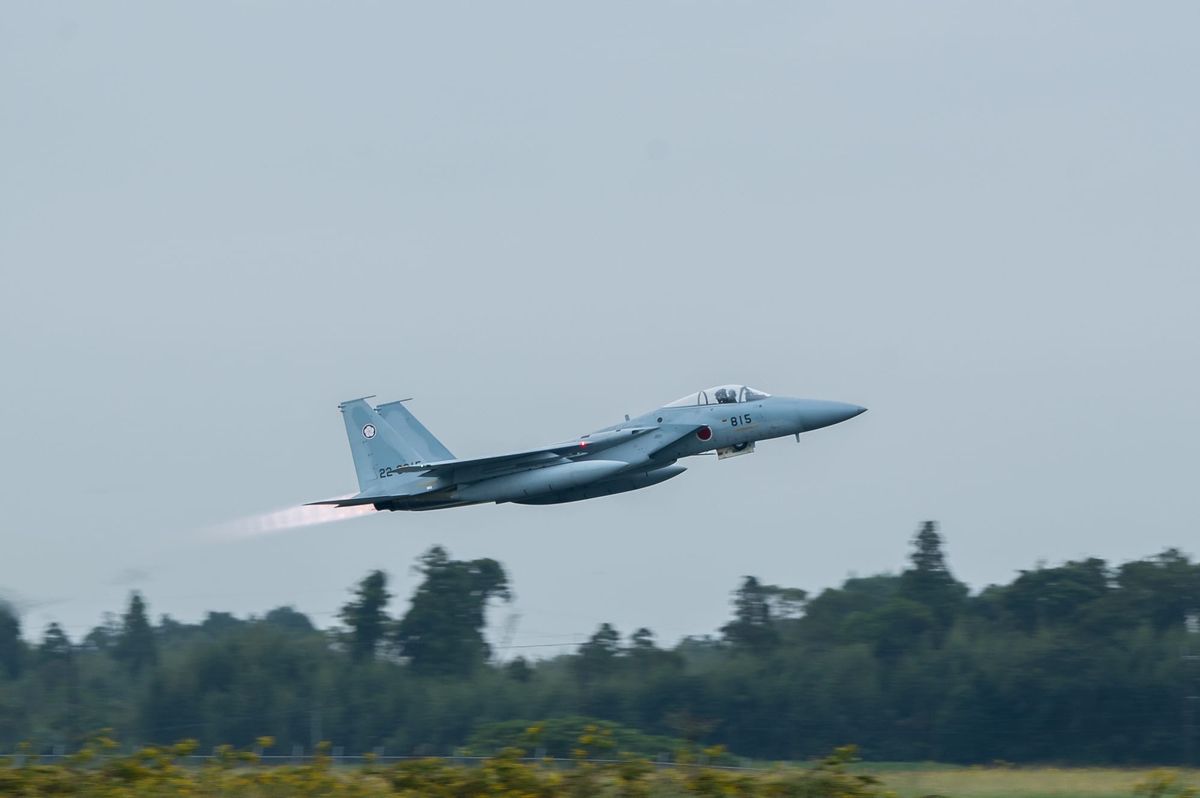
Japan and the United States will rehearse the defence of Japan's southwestern islands later this month, with US Marine and Army anti-ship missile units set to deploy to Yonaguni, an island about 110 kilometres east of Taiwan.
Keen Sword 27, this year's edition of the exercise, will run from 19 to 29 October. Japan plans to commit about 45,000 personnel to the drills, according to figures reported by USNI News. The Japan Self-Defense Forces (JSDF) will also bring 6,100 vehicles and 40 vessels. Around 260 aircraft are expected to take part.
The United States has not disclosed the size of its own contribution. In past years a US carrier strike group has led the American side of the exercise. This year that role is uncertain, because the USS George Washington carrier strike group has been operating in the Middle East since July.
Missiles on the islands closest to Taiwan
The most significant part of the exercise is where the forces will go. Keen Sword has run since 1985 and has been described by Stars and Stripes as the largest and most complex field exercise between the two allies. This year it places American and Japanese missile units side by side on the islands closest to Taiwan.
On Yonaguni, about 90 Japan Ground Self-Defense Force (JGSDF) personnel will deploy, according to a briefing document issued to island residents. They will include the 2nd Anti-Ship Missile Regiment and an air defence artillery group, and USNI News reported they would bring Type 88 and Type 03 missile systems. About 60 US personnel will join them, including Marines from the 12th Marine Littoral Regiment. The deployments are temporary, with about a week set aside for moving in before the exercise and moving out after it, according to the document. The US contingent will bring the Navy-Marine Expeditionary Ship Interdiction System (NMESIS) along with the MADIS air defence system and a TPS-80 radar.
Ishigaki, about 220 kilometres from the nearest point of Taiwan's coast, will host a similar mix. About 50 JGSDF personnel will operate Type 12 and Type 88 anti-ship missiles and Type 03 surface-to-air missiles. A further 60 US Army personnel and Marines will deploy NMESIS and MADIS. They will also bring HIMARS rocket launchers and a TPS-80 radar.
Further north, about 120 Marines from the 12th Marine Littoral Regiment will train on Miyako alongside 70 JGSDF personnel. On Tanegashima, 400 Marines will train with 1,500 JGSDF personnel.
The exercise will also include amphibious landing drills. About 400 JGSDF personnel will take part using 25 combat rubber raiding craft, supported by 12 AAV-7 amphibious vehicles. Japan's air force will practise operating from alternate bases, and both countries will run integrated air and missile defence drills without live fire.
Why the southwestern islands matter
The Nansei island chain runs from Kyushu towards Taiwan and sits across the routes that Chinese warships use to reach the Pacific. The Miyako Strait, between Okinawa and Miyako, is a route that People's Liberation Army Navy task groups regularly use to reach the Pacific.
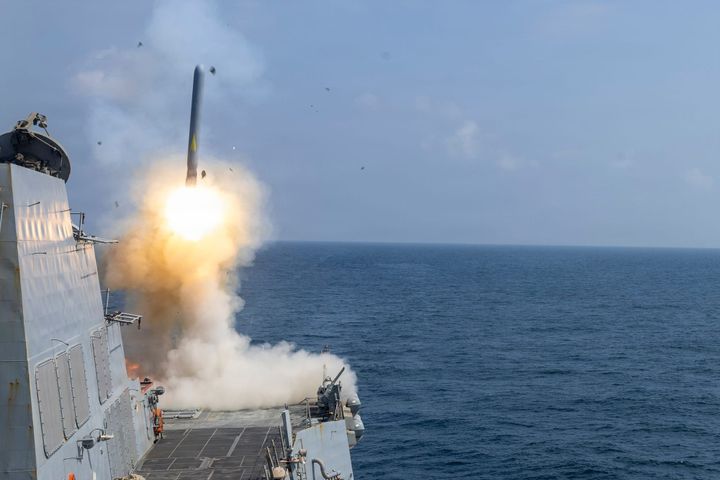
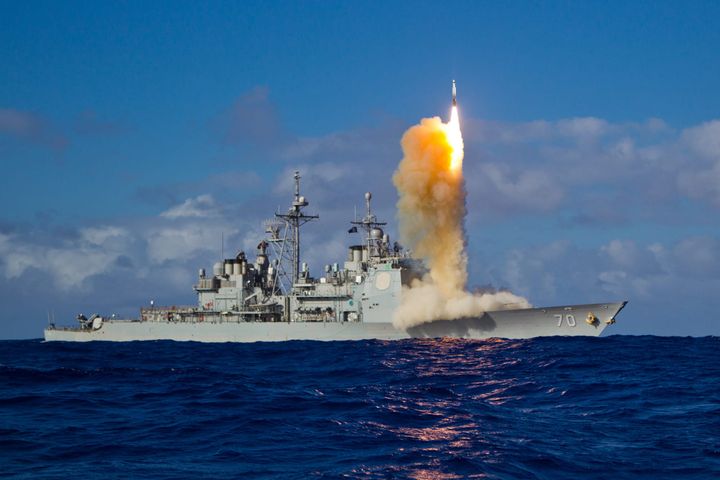
Anti-ship missiles on these islands would let Japan and the United States threaten Chinese ships passing through the gaps in the chain. That is the idea behind the US Marine Corps' Marine Littoral Regiments. These units are designed to operate from islands with anti-ship missiles and radars, moving position before they can be targeted.
Japan has been building its own version of this network for a decade. It opened a JGSDF base on Yonaguni in 2016 and has since added garrisons on Miyako and Ishigaki, with the Ishigaki camp opening in 2023. Tokyo has stationed anti-ship and air defence missile units on Miyako and Ishigaki.
Keen Sword lets the two forces test how well these pieces fit together. In effect, putting NMESIS and Japanese Type 12 launchers on the same island is a rehearsal of how a combined missile screen might work in a crisis.
A crowded field of partners
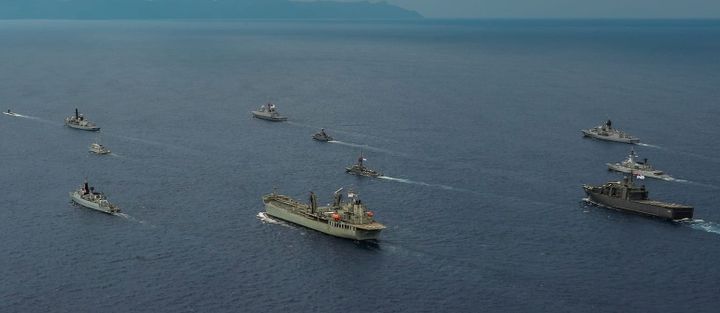
Seven other countries will join as participants or observers, according to USNI News. Australia and New Zealand will attend from the Pacific, along with the Philippines. France and Germany will join from Europe with the Netherlands, and Canada completes the group. That list shows how far the exercise has grown beyond a purely bilateral event.
The exercise will be directed by Admiral Tateki Tawara of Japan's Joint Operations Command and Admiral Steve Koehler, Commander of the US Pacific Fleet.
Japan's Joint Staff Office said the exercise would help both forces strengthen the posture and capabilities they need to contribute to regional peace and stability.
Taiwan and the Senkakus
The Joint Staff Office statement did not name Taiwan. Even so, the geography speaks for itself. Yonaguni is close enough to Taiwan that on a clear day the island can be seen from it. In MGG's assessment, any conflict across the Taiwan Strait would be likely to affect the airspace and waters around Yonaguni.
The exercise also comes amid continued Chinese coast guard activity around the Senkaku Islands, which Japan administers and which both China and Taiwan claim.
For Tokyo, Keen Sword is a chance to show that its southwestern defences are now more than a line on a map. For Washington, it is a test of whether the Marine Corps' island-hopping missile concept can work alongside the ally that owns the islands.
Comments ()