
Australia’s AUKUS Timetable Depends on Britain’s Industrial Recovery
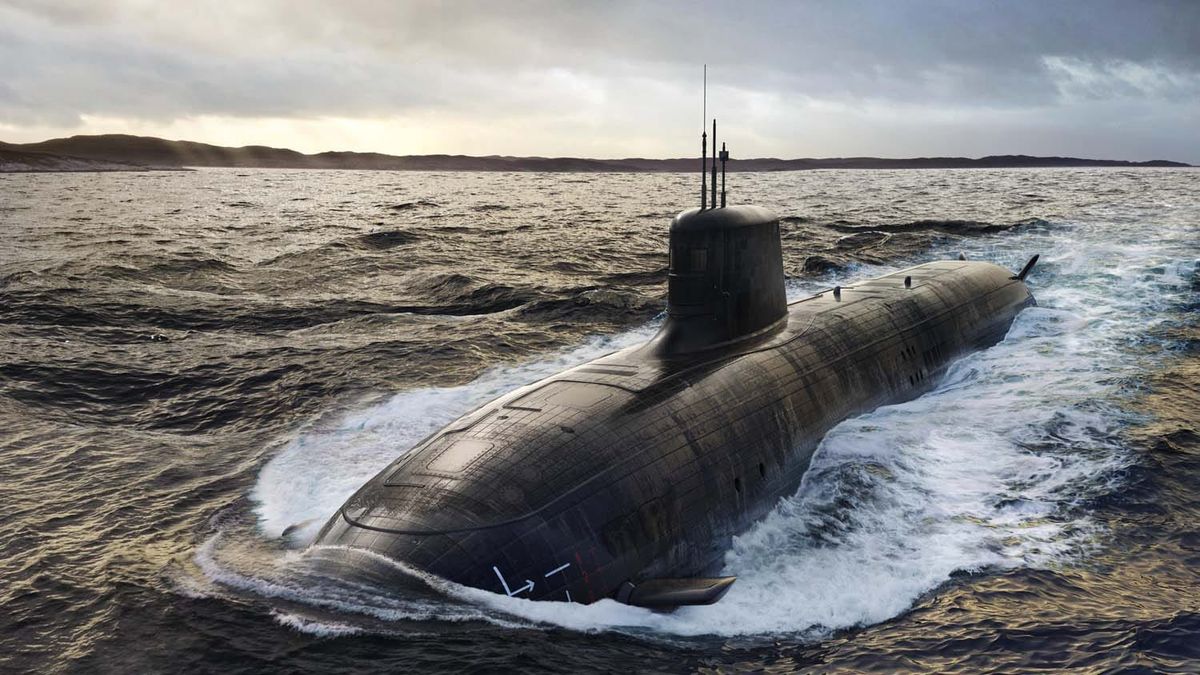
Australia’s plan to build nuclear-powered submarines at home carries a substantial dependency overseas. The British design and reactor supply must advance on a timetable that supports construction in Adelaide, making the recovery of Britain’s submarine industry part of Australia’s own defence planning.
Retired Royal Australian Navy Rear Admiral Peter Briggs highlighted that vulnerability in an article published by Navy Lookout on 2 October. He questioned whether British operational and industrial pressures were compatible with official delivery ambitions, and called for a reappraisal of the programme. His argument is an independent assessment, rather than a newly announced Australian government position.
The underlying dependency is clear in official plans. Australia’s SSN-AUKUS boats will be built at Osborne, using a British-led design incorporating technology from all three partners. Britain expects its first boat in service in the late 2030s, while Australia plans to receive its first domestically built submarine in the early 2040s.
The UK will manufacture the nuclear reactors for both fleets at Rolls-Royce’s Raynesway site. Its latest Defence Nuclear Enterprise update also identifies British supply of key components while Australia develops its industrial capacity. A delay in those inputs could affect an Australian construction programme even if work at Osborne proceeded well.
That creates a more demanding schedule than a conventional overseas purchase. Design work, reactor manufacture, yard construction, workforce training and regulatory preparation must progress across several countries. Problems at one stage could require changes elsewhere, particularly if construction begins before interfaces and specifications are sufficiently settled.
Briggs’s more sweeping conclusions about the condition of Britain’s submarine force need separate scrutiny. Publicly observed movements do not provide a complete account of readiness, maintenance or classified operations. His article raises questions about capacity, but does not by itself establish a revised official delivery date.
There is also substantial investment behind the British plan. The government’s annual update describes approximately £6bn for industrial modernisation over the spending review period, supporting an ambition to produce an SSN-AUKUS every 18 months. It records around £4bn of programme contracts already placed and Australia’s £2.4bn contribution over ten years towards British industrial capacity and design costs.
Those commitments provide a credible basis for expansion. Their operational significance will emerge as facilities become usable, suppliers deliver components and skilled teams produce submarines at the intended cadence.
But funding and announced milestones cannot alone establish how much schedule risk remains.
Australia has a bridging plan through the proposed acquisition of three Virginia-class submarines from the United States, with an option to seek approval for two more. That plan is itself dependent on US decisions and availability, so it should not be assumed to absorb every possible delay in SSN-AUKUS.
For Canberra, the practical response is closer visibility of the shared programme: design maturity, reactor delivery dates, construction sequencing and contingency arrangements.
Those measures would help distinguish manageable slippage from a developing capability gap. The success of domestic submarine construction will depend partly on knowing, early enough to act, whether the overseas inputs on which it relies are keeping pace.
Comments ()