
US to Fund Philippine Coast Guard Pier and Lift Military Aid Against China
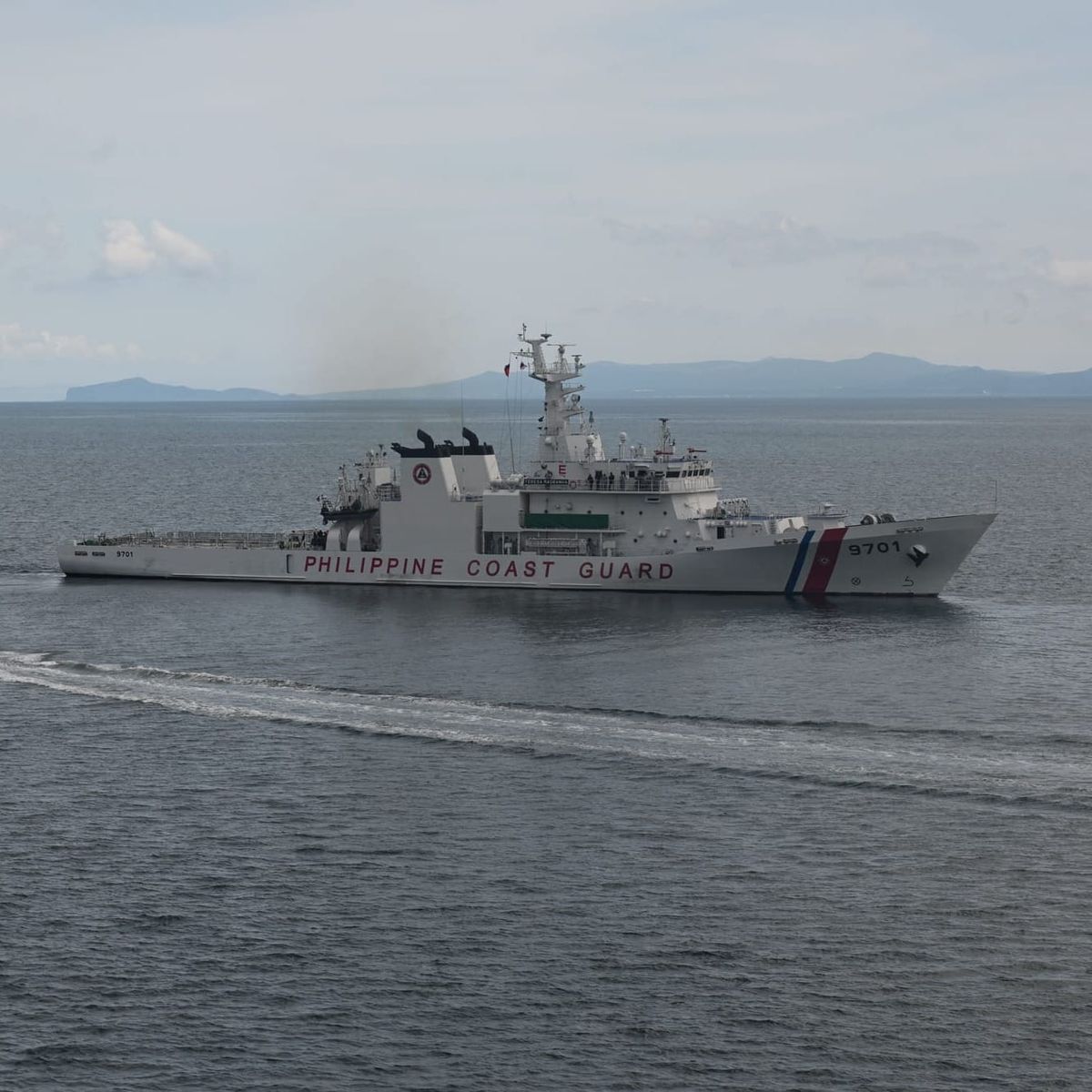
The United States will fund new port infrastructure and raise military financing for the Philippines, deepening its support for Manila as the country struggles to hold ground against China in the South China Sea.
A State Department fact sheet released on 22 July committed $9 million to expand a Philippine Coast Guard pier in the western province of Palawan, work the document said would strengthen maritime law enforcement and sustain operations in the disputed waters.
Washington will also allocate $100 million in foreign military financing to Manila by the end of the current fiscal year, a figure the fact sheet described as a $60 million rise on historical annual levels. The document said the money would help the Philippines defend its sovereignty and deter conflict, and would go towards the purchase of military equipment and services.
The pier funding follows a solicitation issued in May that identified Buliluyan Port, in southern Palawan, as the likely site for an intermediate logistics centre. Philippine cutters frequently stage from the port before patrols and resupply runs into the South China Sea.
Manila has struggled to sustain a presence in the contested waters. Its fleet of 13 ocean-capable cutters is stretched thin across a vast exclusive economic zone and is outmatched by a larger and better-equipped Chinese coast guard.
Weak shore infrastructure compounds the problem. Philippine patrol vessels rely on civilian piers across Palawan, competing for berths with bulk carriers and tankers, and they lack forward maintenance facilities, which forces ships to sail deep into the archipelago for repairs.
A forward pier at Buliluyan would let cutters operate closer to the flashpoints around the Spratly Islands and stay out for longer. The investment also arrives as the Philippine fleet expands. Manila is due to receive up to 45 patrol vessels from France and Japan over the coming years.
Washington is helping Manila field unmanned systems as well. American financing has transferred five unmanned surface vessels to the Philippine Navy since 2024, with more due to arrive, and USNI News has reported that armed drone transfers could begin by 2027. Several of the small-boat and drone sites being developed along Palawan's western coast sit close to the Spratlys.
The pledges land during a sharp rise in tension. Chinese and Philippine vessels clashed repeatedly in July across disputed features, including water cannon incidents near Scarborough Shoal. Manila, whose sole defence treaty ally is the United States, has leaned on Washington as it confronts Chinese pressure in the South China Sea and the risk of being drawn into any conflict over Taiwan.
That diplomatic backing has been matched by a visible military presence. A squadron of six US Coast Guard fast-response cutters, relocated from Bahrain after two decades in the Middle East, now operates out of Singapore and Subic Bay and is cleared to do so through September.
The George Washington carrier strike group entered the South China Sea on 22 July after transiting the Luzon Strait, as clashes flared between Chinese and Philippine forces.
Comments ()