
New Zealand Signs NZ$1.65bn Seahawk Deal, Deepening Naval Ties With Australia
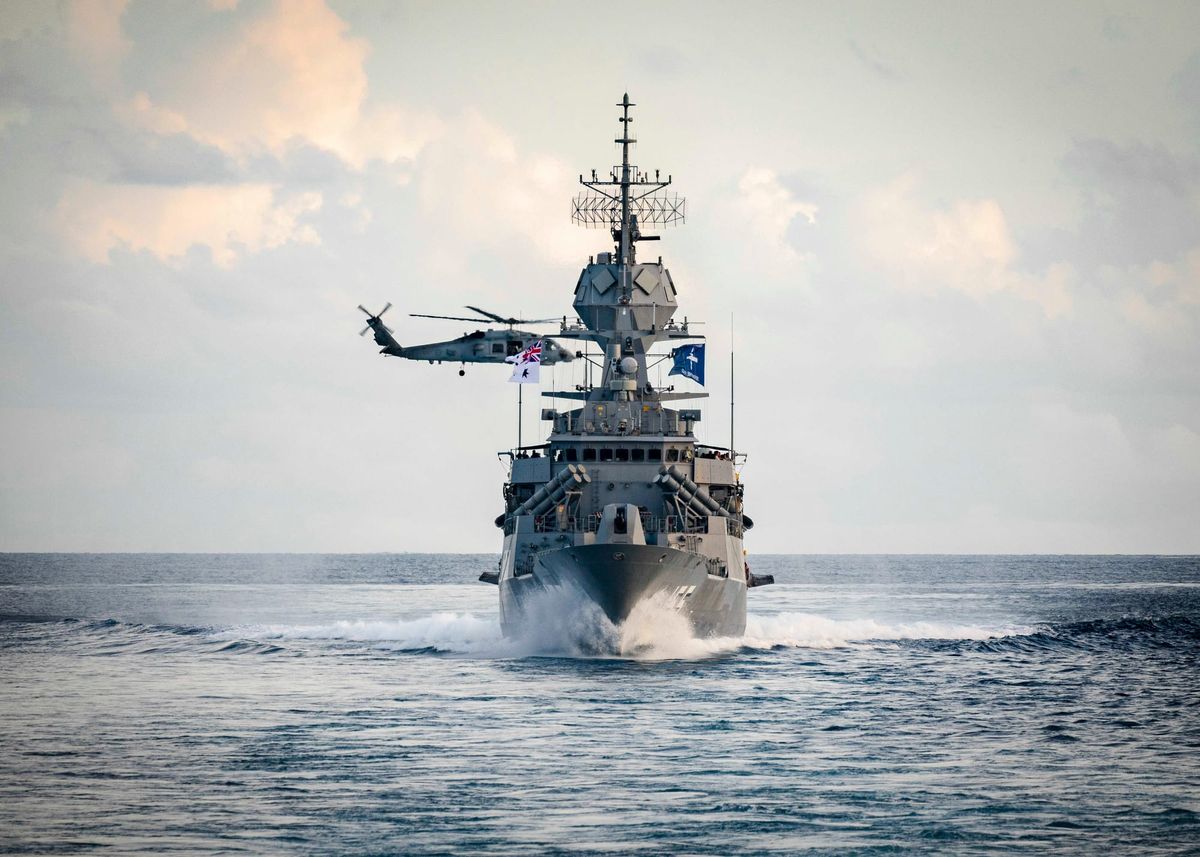
Wellington has signed an agreement to acquire five MH-60R Seahawk helicopters from the United States, strengthening its anti-submarine warfare capability and opening new opportunities for naval integration with Australia.
New Zealand has signed an agreement with the United States to purchase five MH-60R Seahawk maritime combat helicopters, committing NZ$1.648 billion in capital funding to replace its ageing Seasprite fleet and strengthen the Royal New Zealand Navy's anti-submarine warfare capabilities.
Announced on 16 October, the agreement marks a significant step in Wellington's defence modernisation programme and will bring its shipborne helicopter fleet into alignment with the Royal Australian Navy, which is expanding its own MH-60R fleet to 36 aircraft.
The first New Zealand Seahawks are scheduled for delivery in 2030. The agreement includes associated weapons, spare parts and support equipment, while further investment decisions remain outstanding for infrastructure, training systems and complementary uncrewed aircraft.
For New Zealand, the acquisition represents more than a replacement of ageing helicopters. It provides an opportunity to strengthen maritime combat capabilities while increasing operational compatibility with Australia, its closest defence partner.
A major upgrade to New Zealand's naval firepower
The MH-60R Seahawk, manufactured by Sikorsky, a Lockheed Martin company, is among the most widely deployed Western naval combat helicopters.
Designed for anti-submarine and anti-surface warfare, the aircraft combines maritime surveillance sensors with weapons capable of engaging threats above and below the surface.
The helicopter can employ dipping sonar, sonobuoys and magnetic anomaly detection equipment to help locate submarines. Its potential weapons include Mk 54 lightweight torpedoes, AGM-114 Hellfire missiles and Advanced Precision Kill Weapon System guided rockets.
The MH-60R will strengthen New Zealand's shipborne anti-submarine warfare capability while retaining the maritime surveillance, anti-surface warfare and support functions performed by its existing Seasprite fleet.
The Seahawk will allow New Zealand's frigates to conduct more sophisticated submarine detection and prosecution operations, extending their effective surveillance and engagement reach beyond the ships' own sensors.
The aircraft will also undertake search and rescue, personnel transport, maritime counter-terrorism and logistical support missions.
Royal New Zealand Navy aircrew will operate the helicopters, while Royal New Zealand Air Force personnel will maintain them. The fleet will be based at RNZAF Base Auckland in Whenuapai.
The investment complements New Zealand's four P-8A Poseidon maritime patrol aircraft, providing a combination of long-range airborne surveillance and shipborne anti-submarine capability.
Although five helicopters constitute a relatively small fleet, their integration with New Zealand's existing maritime assets could substantially improve the country's ability to detect and respond to underwater threats.
A NZ$1.65 billion commitment, with further costs ahead
The New Zealand Defence Force confirmed that the programme includes NZ$1.648 billion in capital funding and an average of NZ$110 million annually in operating funding over the next decade.
The operating provision is separate from the announced capital allocation and should not be treated as part of a single fixed acquisition price.
Additional investment decisions are expected for permanent infrastructure, training systems and complementary uncrewed aerial systems, meaning the complete programme cost has not yet been finalised publicly.
The latest agreement follows Wellington's August 2025 decision to select the MH-60R as its preferred replacement for the Seasprite fleet.
The United States subsequently approved a possible Foreign Military Sale in June 2026, clearing a key procedural step before the agreement announced on Friday.
The procurement is among the early major capability investments emerging from New Zealand's 2025 Defence Capability Plan, which outlined a programme to modernise the country's military forces and improve their ability to operate alongside security partners.
Why Australia matters to New Zealand's Seahawk decision
A central feature of the acquisition is its potential to deepen defence interoperability across the Tasman.
Australia already operates the MH-60R and is acquiring additional aircraft under Project SEA 9100 Phase 1, expanding the Royal Australian Navy's planned fleet to 36 helicopters.
The programme includes 12 additional aircraft for maritime support operations and another to replace a Seahawk lost in 2021.
By choosing the same platform, New Zealand will gain access to an established regional base of operational experience, technical expertise and maintenance infrastructure.
Common aircraft types could also simplify future cooperation in training, logistics, spare parts and operational procedures.
However, neither government has announced a dedicated bilateral arrangement covering joint Seahawk training or maintenance. Such cooperation remains a potential opportunity rather than an established commitment.
The strategic value extends beyond administrative efficiencies.
Australian and New Zealand warships routinely cooperate in maritime security operations and multinational exercises. Operating compatible helicopters would make it easier to coordinate maritime surveillance and anti-submarine missions, particularly where the two navies deploy alongside one another.
For Wellington, interoperability also offers a way to maximise the effectiveness of a comparatively small combat aviation fleet.
Could New Zealand also follow Australia with Mogami frigates?
The Seahawk acquisition comes as New Zealand considers another potentially consequential decision: whether to acquire the same Japanese-designed frigates as Australia.
Australia signed contracts in April 2026 for its first three upgraded Mogami-class frigates, with the first scheduled for delivery in 2029. The vessels are designed to operate the MH-60R Seahawk.
New Zealand is assessing the upgraded Mogami design alongside Britain's Type 31 frigate as part of its programme to replace the ageing Anzac-class warships HMNZS Te Kaha and HMNZS Te Mana.
No final selection has been made, and advice on the next steps is expected to reach Cabinet before the end of 2027.
If New Zealand ultimately chooses the Mogami, the two navies could operate closely related frigate designs and the same embarked helicopter type.
That would create opportunities for deeper cooperation in training, logistics, maintenance and potentially future operational deployments.
Such an outcome is not guaranteed. Nevertheless, the Seahawk decision demonstrates how common equipment choices could support a more integrated Australian-New Zealand maritime force over the coming decade.
A stronger maritime force, but integration will be decisive
The MH-60R purchase reflects New Zealand's growing emphasis on restoring and modernising its military capabilities as strategic competition intensifies across the Indo-Pacific.
The country's maritime responsibilities are extensive, stretching from its surrounding waters into the South Pacific and the Southern Ocean.
Maintaining credible surveillance and anti-submarine capabilities across such distances requires more than modern aircraft. It also depends on trained personnel, reliable sustainment, appropriate warships and effective coordination with partner forces.
The planned arrival of five Seahawks from 2030 will strengthen New Zealand's ability to contribute to maritime security and allied naval operations, but the effectiveness of the investment will depend on how successfully the aircraft are integrated into the wider fleet.
That includes the future of New Zealand's surface combatants, the development of supporting infrastructure and the extent to which Wellington can benefit from Australia's larger Seahawk programme.
The acquisition therefore represents both a capability upgrade and a longer-term strategic choice.
By adopting the same maritime combat helicopter as Australia, New Zealand is laying the foundations for closer naval cooperation at a time when both countries are investing in their ability to operate across an increasingly contested maritime region.

Comments ()