
Australia’s Prototype Missile Shield Could Draw on the Navy’s Arsenal

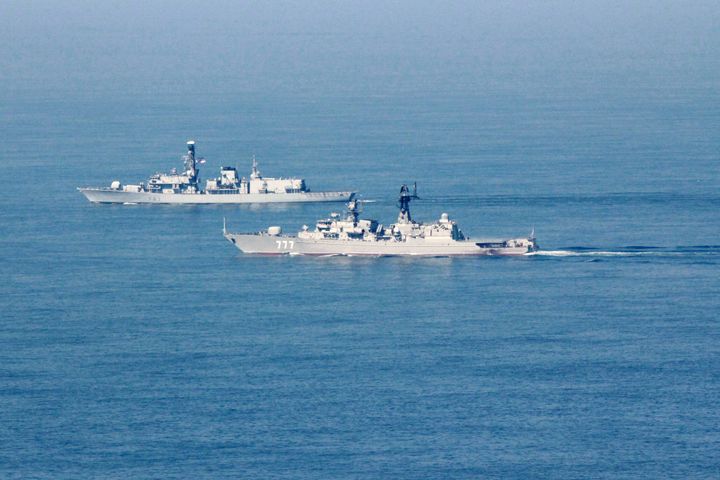
Australia’s prototype land-based missile shield could eventually fire some of the same missiles carried by the navy’s Hobart-class destroyers and planned for its future Hunter-class frigates, according to Lockheed Martin.
The claim points to a potential shortcut in Canberra’s effort to build a medium-range air-defence system. Instead of introducing an entirely separate missile architecture for the land domain, Australia could move technology already funded for its warships ashore.
Lockheed disclosed the wider ambition after supporting Taipan Strike 26, a live-fire demonstration conducted with the Australian Defence Force and US Navy at the Woomera Test Range in June.
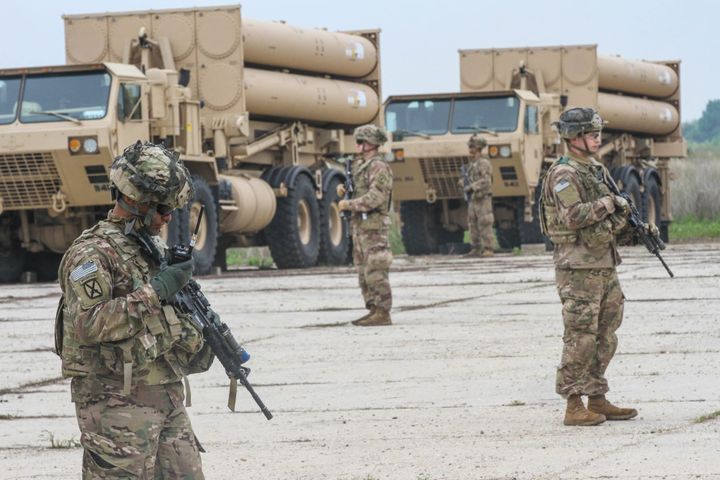
During the test, an Australian CEA radar detected and tracked a cruise-missile target. A small, expeditionary version of the Aegis Weapons System then directed a mobile ground launcher to fire an SM-2 interceptor, destroying the target.
The Australian government announced the successful engagement earlier in July. Lockheed’s latest release adds important detail about the architecture behind it and the range of weapons the company believes it could support.
“It can fire any of the weapons currently fielded on the Hobart Class Destroyers or future Hunter Class Frigates,” Lockheed Martin Australia and New Zealand chief executive Jeremy King said.
That would give Australia a land-based air-defence system built around the same Aegis software and missile families used at sea.
The government agreed in 2024 to spend A$7 billion on SM-2 Block IIIC and SM-6 missiles for the Hobart and Hunter fleets. SM-2 IIIC introduces an active seeker and improved protection against aircraft and missile threats. The longer-range SM-6 can also provide terminal defence against ballistic missiles and engage enemy ships.
Moving those weapons ashore could allow the Australian Defence Force to draw from a common missile inventory across its land and naval forces. It could also simplify missile procurement, sustainment and integration, although the land system would still require its own training and support.
The combat-system crossover may be equally important. Lockheed said the prototype used the Aegis baseline being developed for the future Hunter frigates and the planned modernisation of the Hobart destroyers.
For the Woomera demonstration, core Aegis functions were packaged in a smaller, deployable configuration rather than installed aboard a warship.
This creates the possibility of establishing air-defence batteries around northern bases, ports and other important sites while retaining a high degree of compatibility with Australian and US warships. Mobile batteries could also be dispersed or repositioned as threats change.
The proposal fits Australia’s wider attempt to connect its sensors and weapons across the armed forces. Lockheed is already the strategic partner for AIR 6500, the programme delivering the Joint Air Battle Management System at the centre of the country’s future integrated air and missile defences.
Australia’s planned medium-range ground-based capability is intended to provide the middle layer of that network. It will sit above the army’s shorter-range NASAMS batteries and is designed to defeat aircraft and missile threats over a wider area.
Lockheed is therefore well placed to argue that an Aegis-based system offers a fast and relatively low-risk route into the wider architecture. The company supplies Aegis for the Hobart and Hunter programmes and is helping build the AIR 6500 command network with which the new ground-based capability is intended to integrate.
However, the Woomera firing demonstrated only part of the proposed capability. An SM-2 destroyed a representative cruise-missile target, but the prototype has not publicly fired an SM-6 or demonstrated ballistic-missile defence. Lockheed’s claim that it could use every relevant weapon carried by the Hobart and Hunter fleets also remains a company assertion.
Defence has not selected the prototype for acquisition. The government describes Taipan Strike as an exercise intended to explore medium-range options and inform future decisions. Officials have previously said that capability proposals were being developed with several companies.
Questions also remain over the eventual number of launchers and batteries, the size of Australia’s interceptor stockpile and the cost of using sophisticated naval missiles for land defence.
Even so, the latest disclosure changes the significance of the Woomera test.
Australia demonstrated the foundations of an air-defence system that could connect the country’s land forces and warships through Australian radar technology, a common Aegis baseline and potentially a shared missile inventory.
Comments ()